
- The Great Pyramid of Giza, Egypt: Standing as the oldest of the Seven Wonders of the Ancient World and the only one largely intact, the Great Pyramid of Giza is an awe-inspiring testament to ancient Egyptian engineering and a burial chamber for Pharaoh Khufu. It was built over 4,500 years ago and remained the tallest man-made structure in the world for over 3,800 years. Its sheer scale and the precision of its construction, using millions of massive stone blocks, continue to baffle and impress historians and engineers alike. Beyond its architectural marvel, it’s a window into the beliefs and societal organization of an ancient civilization, prompting endless fascination about its purpose and the methods used to create such a monumental edifice.
- The Great Wall of China, China: This iconic series of fortifications, built across the historical northern borders of ancient Chinese states and Imperial China, is one of the most ambitious construction projects ever undertaken. Stretching thousands of miles, its primary purpose was to protect against invasions and raids, but it also served for border controls, trade regulation, and transportation. The wall, or rather, the walls, were built over centuries by various dynasties, with some sections dating back to the 7th century BC. Walking along its undulating path, sometimes incredibly steep, offers breathtaking views and a profound sense of history, reminding visitors of the immense human effort and enduring legacy of imperial China.
- Colosseum, Italy: A massive amphitheater in the heart of Rome, the Colosseum is a powerful symbol of the Roman Empire’s grandeur and its often-brutal past. Completed in 80 AD, it could hold between 50,000 and 80,000 spectators who gathered to witness gladiatorial contests, animal hunts, public executions, and dramatic re-enactments. Its innovative design, including a complex system of tunnels and trapdoors beneath the arena floor, allowed for elaborate spectacles. Despite centuries of earthquakes, stone-robbers, and neglect, the Colosseum still stands as an architectural marvel and a stark reminder of ancient Roman entertainment and engineering prowess, captivating millions of visitors annually.
- Machu Picchu, Peru: Perched high in the Andes Mountains, Machu Picchu is an astonishing 15th-century Inca citadel. Its purpose remains somewhat of a mystery, with theories ranging from a royal estate to a sacred religious site. What is undeniable is the incredible skill of the Inca builders who constructed this complex of palaces, temples, and agricultural terraces without the use of mortar, using precisely cut dry-stone techniques. The site’s remote location and dramatic natural setting contribute to its mystical allure. Rediscovered in 1911 by Hiram Bingham, Machu Picchu offers an unparalleled glimpse into the advanced civilization of the Incas and a spiritual connection to nature.
- Taj Mahal, India: Often described as a “teardrop on the cheek of eternity,” the Taj Mahal is an exquisite white marble mausoleum located in Agra. It was commissioned in 1632 by the Mughal emperor Shah Jahan to house the tomb of his beloved wife, Mumtaz Mahal. This architectural masterpiece is a blend of Islamic, Persian, Ottoman Turkish, and Indian architectural styles, characterized by its symmetrical design, intricate carvings, and semi-precious stone inlay work. The changing light throughout the day causes the marble to shift in color, adding to its ethereal beauty. The Taj Mahal is not just a building; it’s a profound symbol of eternal love and one of the most stunning examples of Mughal architecture.
- Petra, Jordan: Carved directly into vibrant red sandstone cliffs, the ancient city of Petra in Jordan is a breathtaking archaeological wonder. Its most famous structure, Al-Khazneh (The Treasury), greets visitors dramatically at the end of a narrow gorge known as the Siq. Established around the 6th century BC by the Nabataeans, Petra was a crucial trading hub. The city’s sophisticated water management system, elaborate tombs, and temples showcase the ingenuity of its creators. Wandering through Petra feels like stepping back in time, revealing a civilization that mastered both art and engineering in an incredibly challenging desert environment.
- Christ the Redeemer, Brazil: Overlooking the vibrant city of Rio de Janeiro from the Corcovado mountain, Christ the Redeemer is an iconic Art Deco statue of Jesus Christ. Completed in 1931, it stands as a symbol of Brazilian Christianity and a welcoming embrace to all. The sheer scale of the statue, with its outstretched arms spanning 28 meters, and its dramatic placement atop the mountain, make it a truly inspiring sight. Accessible via cog train or van, the panoramic views of Rio, including Sugarloaf Mountain and the beaches, from its base are as spectacular as the statue itself, making it a must-visit landmark.
- Eiffel Tower, France: The undisputed symbol of Paris, the Eiffel Tower is an iron lattice tower built for the 1889 World’s Fair. Initially met with criticism, it quickly became a beloved icon of French ingenuity and romance. Standing at over 300 meters tall, it offers unparalleled views of the City of Lights from its various observation decks. Whether sparkling with thousands of lights on the hour or simply providing a majestic backdrop to Parisian life, the Eiffel Tower embodies elegance and engineering ambition, attracting millions of visitors who come to admire its structure and experience its unique charm.
- Statue of Liberty, USA: A gift from the people of France to the people of the United States, the Statue of Liberty stands majestically on Liberty Island in New York Harbor. Dedicated in 1886, this colossal neoclassical sculpture of Libertas, the Roman goddess of freedom, has become a universal symbol of freedom and democracy. Holding a torch representing enlightenment and a tablet inscribed with the date of the American Declaration of Independence, “Lady Liberty” has welcomed immigrants arriving by sea for generations. Visiting the statue and its museum offers a powerful experience, reminding us of the ideals of hope and opportunity it represents.
- Sydney Opera House, Australia: With its distinctive shell-like sails seeming to float above Sydney Harbour, the Sydney Opera House is one of the 20th century’s most famous and distinctive buildings. Opened in 1973, its revolutionary design, by Danish architect Jørn Utzon, faced numerous technical challenges during construction but resulted in an architectural masterpiece. It’s not just a beautiful building; it’s a world-class performing arts venue, hosting thousands of performances each year. Whether viewed from a ferry, from the Botanic Gardens, or up close, the Opera House is an unmistakable symbol of modern Australia and a global cultural icon.
- Stonehenge, UK: This prehistoric monument in Wiltshire, England, consists of a ring of standing stones, each around 13 feet high, 7 feet wide, and weighing around 25 tons. Built over 4,500 years ago, its purpose remains a subject of intense debate and speculation, with theories ranging from a burial ground to an astronomical observatory. The sheer effort involved in transporting and erecting these massive stones using only primitive tools is mind-boggling. Stonehenge continues to captivate visitors with its mystery and its profound connection to ancient human ingenuity and spirituality, especially during the summer and winter solstices.
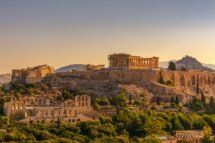
- The Acropolis of Athens, Greece: Crowned by the magnificent Parthenon, the Acropolis is an ancient citadel located on a rocky outcrop above the city of Athens. This UNESCO World Heritage site is a powerful symbol of classical Greece and the birthplace of democracy. The Parthenon, dedicated to the goddess Athena, is an enduring masterpiece of Doric architecture, showcasing unparalleled precision and aesthetic balance. Walking among the ruins of the Propylaea, Erechtheion, and the Temple of Athena Nike evokes a profound sense of history and the foundational principles of Western civilization.
- Angkor Wat, Cambodia: Nestled deep within the jungles of Cambodia, Angkor Wat is the largest religious monument in the world and the best-preserved temple at the Angkor archaeological site. Built in the 12th century as a Hindu temple dedicated to Vishnu by the Khmer King Suryavarman II, it was later converted into a Buddhist temple. Its intricate bas-reliefs depict Hindu myths and historical events, while its five towering lotus-bud shaped spires are instantly recognizable. The sunrise over Angkor Wat, with its reflection in the surrounding moats, is a truly magical and unforgettable experience, revealing the grandeur of the Khmer Empire.
- Mount Rushmore, USA: Carved into the granite face of Mount Rushmore in the Black Hills of South Dakota, this colossal sculpture features the 60-foot heads of four U.S. presidents: George Washington, Thomas Jefferson, Theodore Roosevelt, and Abraham Lincoln. Sculpted by Gutzon Borglum and his son Lincoln between 1927 and 1941, it represents the birth, growth, development, and preservation of the United States. More than just a memorial, Mount Rushmore is a powerful symbol of American history and monumental human endeavor, drawing millions to marvel at its scale and patriotism.
- Hagia Sophia, Turkey: Located in Istanbul, Hagia Sophia is a monumental building with a complex and fascinating history. Originally built as an Eastern Orthodox cathedral in the 6th century by Emperor Justinian I, it was the largest building in the world and an engineering marvel of its time. It was later converted into a mosque, then a museum, and most recently, back into a mosque. Its massive dome, stunning mosaics (some covered, some revealed), and blend of Christian and Islamic architectural elements make it a unique and powerful space. Hagia Sophia stands as a testament to various empires and religions, showcasing layers of history within its magnificent walls.
Why These Landmarks Matter
These aren’t just pretty places or old buildings. Each of these landmarks tells a story – sometimes of incredible human ingenuity, sometimes of deeply held beliefs, and often of the rise and fall of civilizations. They’re physical touchstones connecting us to the past, reminding us of what humans are capable of achieving, both in terms of construction and cultural expression. They represent significant periods in history, architectural innovations, and cultural values that have shaped our world.
Connecting with History
When you visit places like the Colosseum or the Great Pyramid, you’re not just looking at stones; you’re standing in the footsteps of countless generations. You’re feeling the scale of history, the weight of centuries, and the enduring human desire to create something lasting. It’s a tangible link to ancient civilizations and the decisions that shaped their societies.
Engineering Marvels
Many of these landmarks were built using techniques that are still impressive by today’s standards, often without the machinery we now take for granted. Consider the precision of the Inca stonework at Machu Picchu or the sheer scale of the Great Wall. These structures push the boundaries of what was thought possible, showcasing human intelligence and problem-solving skills across different eras.
Cultural Identity and Symbolism
From the Statue of Liberty representing freedom to the Taj Mahal symbolizing eternal love, these landmarks often embody core values or narratives of the cultures that created them. They become emblems, recognized globally, that speak volumes about a nation’s identity, its history, and its aspirations. They draw people in, allowing them to connect with these abstract concepts in a very real way.
If you’re fascinated by iconic structures and want to explore more about travel planning, you might find the article on personalized travel itineraries quite helpful. It offers insights into how to create a unique travel experience tailored to your preferences, making your visits to landmarks even more memorable. Check it out here: Personalized Travel Planner.
Planning Your Landmark Adventures

Visiting these global icons can be a truly transformative experience, but a little planning goes a long way. These are popular spots for a reason, so expecting crowds is a good start. Thinking about the best time to go, how to get there, and what to expect can significantly enhance your trip.
Best Times to Visit
Generally, visiting during the shoulder seasons (spring or fall) often means milder weather and fewer crowds than the peak summer months. For instance, Rome in April or October is usually more pleasant than in July. However, some destinations, like the Great Wall, might have specific events or weather patterns to consider, so always check local advice. Early mornings are almost always best for popular spots, letting you beat the main rush and sometimes enjoy a more serene atmosphere.
If you’re fascinated by iconic structures and their histories, you might also enjoy exploring the ultimate travel plan for adventure seekers. This article provides insights into thrilling destinations that complement your visit to the 15 world’s most famous landmarks. From breathtaking hikes to unique cultural experiences, it offers a comprehensive guide for those looking to add a sense of adventure to their travels. Check it out for more inspiration on your next journey here.
Booking Ahead
For many of these top attractions, especially those with limited entry or timed tickets, booking well in advance is crucial. This can save you hours of queuing and ensure you don’t miss out. The Eiffel Tower, the Colosseum, and Machu Picchu are prime examples where pre-booking is practically a necessity. Always check the official website for tickets to avoid scams.
Respecting the Site and Local Culture
Remember that these are not just tourist attractions; many are sacred sites, places of immense historical significance, or active cultural venues. Dressing appropriately (especially for religious sites like the Taj Mahal or Hagia Sophia), following posted rules, and being mindful of your volume and actions contributes to a respectful visit for everyone, including locals and fellow travelers. Leave no trace, and appreciate the privilege of being able to experience these treasures.
Beyond the Postcard View

While the iconic photos are what often draw us in, there’s so much more to experience at these landmarks. Taking the time to delve deeper, perhaps with a guide or by exploring surrounding areas, can reveal layers you might otherwise miss.
Hiring a Knowledgeable Guide
A good local guide can truly bring a landmark to life. They can share stories, historical context, and cultural insights that you won’t find in a guidebook. For complex sites like Petra or the Acropolis, having someone explain the various structures and their significance can be invaluable, transforming a visual tour into a rich educational experience. Look for licensed guides and check reviews.
Exploring the Surroundings
Often, the landmark is just one part of a larger, fascinating area. For example, while the Eiffel Tower is magnificent, exploring the Champ de Mars or taking a Seine River cruise offers different perspectives. Near the Great Pyramid of Giza, you can also see the Sphinx and other smaller pyramids. Take the opportunity to walk around, discover local eateries, and soak in the atmosphere of the surrounding neighborhoods; it often adds a lot to the overall experience.
Thinking About the Journey
Sometimes, the journey to a landmark is part of the adventure. The train ride to Machu Picchu, the ferry to the Statue of Liberty, or the walk through the Siq to Petra all contribute to the anticipation and the overall memory of the visit. Don’t rush these moments; appreciate them as integral parts of your travel story.
Preserving Our Shared Heritage
These magnificent landmarks face various threats, from environmental erosion to the sheer volume of visitors. Responsible tourism plays a vital role in ensuring they remain for future generations to enjoy.
Impact of Tourism
While tourism brings economic benefits, it also places considerable strain on these delicate sites. Increased foot traffic, pollution, and even the natural oils from human hands can cause gradual damage. Many sites are implementing measures like timed entry, restricted access to certain areas, or restoration projects funded by tourism revenue to mitigate these effects.
Conservation Efforts
Many organizations worldwide are dedicated to preserving these landmarks. UNESCO World Heritage status, for example, helps protect sites of outstanding universal value and encourages international cooperation in their conservation. Donations, research, and careful management are all part of the ongoing effort to maintain their integrity.
Your Role as a Visitor
As travelers, we have a responsibility to be part of the solution, not the problem. This means following all rules and regulations, staying on marked paths, not touching ancient structures, disposing of waste properly, and supporting local economies in sustainable ways. Choosing ethical tour operators and being mindful of your footprint ensures that your visit contributes positively to the landmark’s future.