
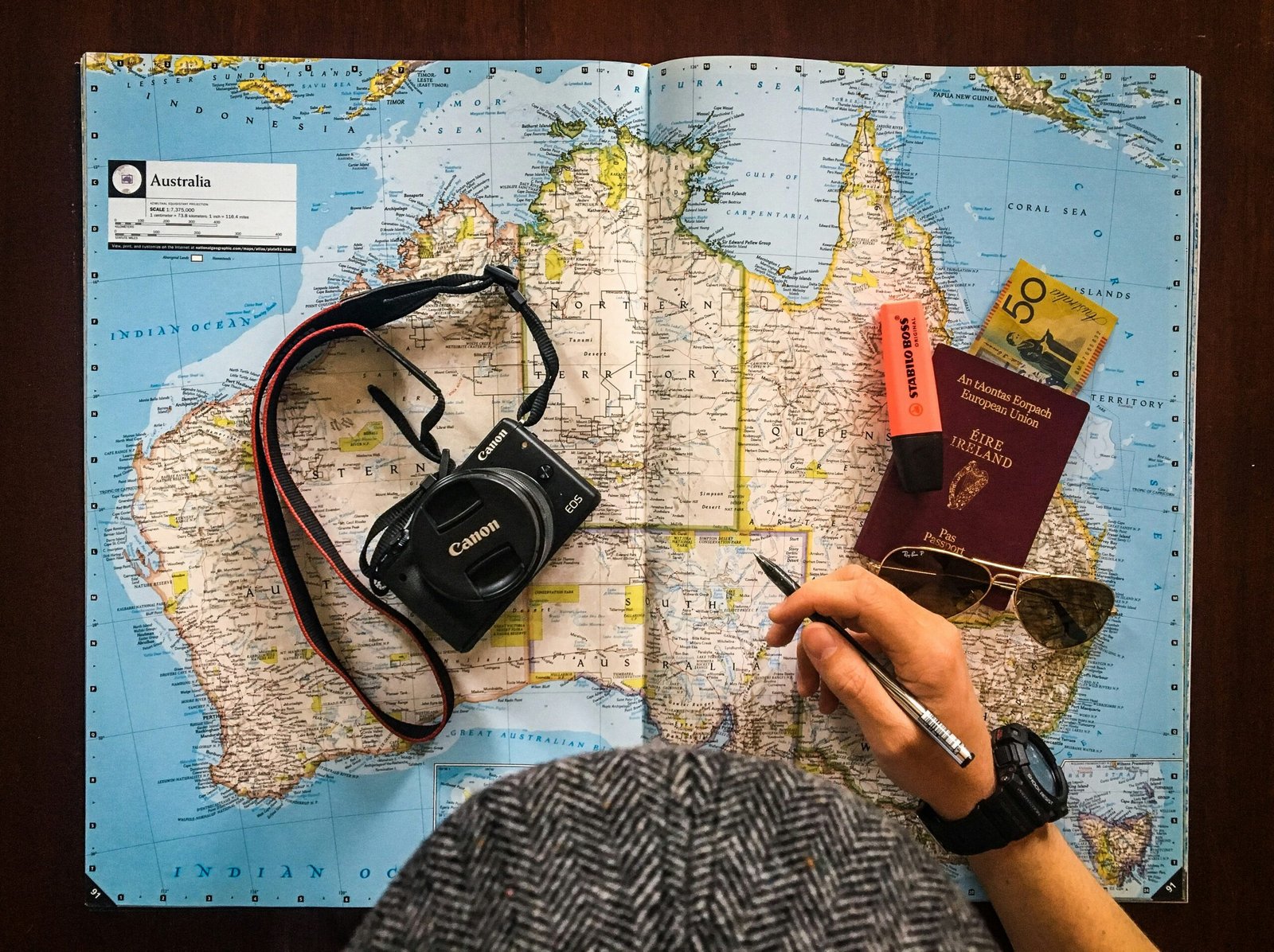
So, you’re an adventure seeker, ready to ditch the ordinary and embrace the wild? Great! The ultimate travel plan for you isn’t a pre-packaged tour; it’s a carefully crafted blend of thrill, challenge, and immersion, tailored to push your boundaries and ignite your spirit. It’s about finding that sweet spot between exhilarating risk and mindful preparation, ensuring you return with incredible stories, not just souvenirs.
Before you even think about booking a flight, it’s crucial to get your head in the game. Adventure isn’t just about what you do; it’s about how you approach it.
Define Your “Adventure”
What does adventure truly mean to you? For some, it’s scaling a mountain, for others, it’s navigating bustling foreign markets on a shoestring budget. Be honest with yourself.
- Physical Challenge: Are you dreaming of multi-day treks, high-altitude climbs, whitewater rafting, or exploring remote jungles?
- Cultural Immersion: Does a deep dive into an unfamiliar culture, learning a new language, or participating in local traditions excite you more?
- Self-Discovery: Is your adventure about pushing personal limits, facing fears, or finding solitude in the wilderness?
- Specific Activities: Do you have a bucket list of activities like skydiving, scuba diving with sharks, or exploring ancient ruins off the beaten path?
Assess Your Comfort Zone
Adventure is about expanding your comfort zone, not completely abandoning it. Understanding your current limits helps you plan a journey that’s challenging but still enjoyable.
- Physical Fitness: Be realistic about your current fitness level. A multi-day trek requires different preparation than a cultural walking tour.
- Mental Fortitude: How do you handle uncertainty, unexpected changes, or challenging situations? Are you good at problem-solving on the fly?
- Risk Tolerance: Some adventures carry inherent risks. Are you comfortable with those risks, and do you know how to mitigate them?
Embrace the Unexpected
No adventure plan is foolproof. Weather changes, transport delays, and cultural misunderstandings are all part of the experience. A flexible mindset is your most valuable tool.
- Contingency Planning: Always have a Plan B (and maybe a Plan C). What if your flight is canceled? What if the hiking trail is closed?
- Open-Mindedness: Be open to new experiences, even if they weren’t originally in your plan. Some of the best memories are made spontaneously.
- Problem-Solving Skills: Develop a “can-do” attitude. When challenges arise, see them as puzzles to solve, not roadblocks.
Choosing Your Adventure Destination
The world is vast, and every corner offers a different kind of thrill. Picking the right destination is key to fulfilling your adventure cravings.
Research, Research, Research
Don’t just pick a place because it looks cool on Instagram. Dig deeper to understand the realities of adventuring there.
- Climate and Seasonality: When is the best time to visit for your chosen activities? Is it monsoon season? Peak climbing season?
- Local Culture and Customs: Understand local etiquette, dress codes, and social norms to show respect and avoid misunderstandings.
- Safety and Security: Check travel advisories from your government. Research common scams, dangerous areas, and political stability.
- Infrastructure and Accessibility: How easy is it to get around? Are there reliable transport options? What about medical facilities?
- Permits and Regulations: For many adventure activities (e.g., trekking in national parks, climbing certain peaks), permits are required. Research these well in advance.
Matching Destination to Activity
Once you know what kind of adventure you want, narrow down destinations that truly deliver.
- Mountain Expeditions: Nepal (Himalayas), Patagonia (Andes), Peru (Andes), Tanzania (Kilimanjaro).
- Jungle Exploration: Costa Rica (rainforests), Amazon Basin (Brazil, Peru, Ecuador), Borneo (Malaysia, Indonesia).
- Desert Treks: Sahara Desert (Morocco, Egypt), Wadi Rum (Jordan), Atacama Desert (Chile).
- Water Sports: Australia (Great Barrier Reef), Galapagos Islands (Ecuador), Iceland (snorkeling/diving between tectonic plates), Norway (fjords kayaking).
- Cultural Deep Dives: India (Rajasthan, Varanasi), Bolivia (Andean culture), Mongolia (nomadic lifestyle), Japan (ancient traditions).
- Wildlife Encounters: Serengeti (Tanzania), Kruger National Park (South Africa), Arctic (polar bears), Churchill (polar bears, Canada).
Off-the-Beaten-Path Considerations
True adventure often lies beyond the well-trodden tourist trails.
- Remote Locations: These offer unparalleled solitude and pristine environments but require meticulous planning and self-sufficiency.
- Less Developed Infrastructure: Be prepared for basic accommodations, limited communication, and potentially unreliable transport.
- Language Barriers: Learning a few key phrases in the local language can make a huge difference in remote areas.
- Ethical Tourism: When visiting remote or culturally sensitive areas, ensure your travel supports local communities and minimizes negative impact.
Essential Pre-Trip Preparations

Preparation is the bedrock of any successful adventure. Overlooking these steps can turn an epic journey into a frustrating ordeal.
Physical and Mental Training
Don’t underestimate the demands of your chosen adventure. Start preparing well in advance.
- Cardiovascular Fitness: For treks, climbs, or any physically demanding activity, focus on endurance. Running, cycling, swimming are all great.
- Strength Training: Build core strength, leg strength, and upper body strength, especially if carrying a pack.
- Specific Skills: If your adventure involves technical skills (climbing, kayaking), take lessons or join a club beforehand.
- Altitude Acclimatization: If you’re heading to high altitudes, research acclimatization protocols and potentially consult a doctor.
- Mental Toughness: Practice mindfulness, meditation, or visualization to prepare for challenging moments. Learn to push through discomfort.
Gear and Packing Smart
Your gear is your lifeline. Invest wisely and pack strategically.
- Quality Over Quantity: Good quality, multi-functional gear will last longer and perform better. Don’t skimp on essentials.
- Layering System: Regardless of climate, a layering system (base, mid, outer) allows you to adapt to changing temperatures.
- Footwear: Crucial for comfort and safety. Break in hiking boots well in advance. Consider waterproof options.
- Navigation Tools: GPS device, compass, and maps (physical and digital). Don’t rely solely on your phone.
- First-Aid Kit: Comprehensive and tailored to your destination. Include any personal medications.
- Emergency Essentials: Headlamp, multi-tool, fire starter, water purification tablets.
- Sustainable Practices: Reusable water bottle, ethically sourced gear, minimal plastics.
Health and Safety Protocols
This isn’t just about avoiding illness; it’s about being prepared for anything.
- Doctor’s Visit: Get a full check-up. Discuss your travel plans, vaccinations, and any potential health risks.
- Travel Insurance: Non-negotiable for adventure travel. Ensure it covers your specific activities, medical evacuation, and repatriation. Read the fine print carefully.
- Vaccinations: Get all recommended vaccinations for your destination.
- Medications: Bring enough of any prescription medications, plus a small supply of over-the-counter essentials (painkillers, anti-diarrhea, antihistamines).
- Emergency Contacts: Store emergency numbers (local embassy, insurance, family) in multiple places.
- Local Guides/Operators: If doing a guided adventure, choose reputable, experienced operators with strong safety records.
- Leave No Trace Principles: Learn and practice these. Pack out everything you pack in, respect wildlife, minimize your impact.
On the Ground: Maximizing Your Adventure

Once you’re there, it’s time to live it. These tips will help you get the most out of your experience.
Embrace Local Culture and Connections
Your adventure isn’t just about the physical challenge; it’s about the people and places you encounter.
- Learn Basic Phrases: Even a few words in the local language can open doors and show respect. “Hello,” “thank you,” “please,” “sorry.”
- Try Local Food: Be adventurous with your palate! It’s a fundamental part of cultural immersion.
- Engage with Locals: Ask questions, listen to their stories, and learn from their perspective. These interactions often become the most memorable parts of your trip.
- Support Local Businesses: Choose locally owned guesthouses, restaurants, and tour operators to ensure your money benefits the community directly.
- Observe and Adapt: Pay attention to local customs and try to adapt your behavior to fit in.
Prioritize Safety Without Sacrificing Thrill
Adventure inherently involves some level of risk, but smart decisions can mitigate unnecessary dangers.
- Trust Your Gut: If a situation feels off, it probably is. Don’t be afraid to change plans or say no.
- Stay Informed: Keep an eye on local news, weather forecasts, and trail conditions.
- Communicate Your Plans: Let someone know your itinerary, especially if you’re heading into remote areas alone. Check in regularly.
- Don’t Overextend Yourself: Know your limits. It’s better to turn back or adjust a plan than to push beyond your capabilities and risk injury.
- Buddy System: If possible, adventure with a trusted companion. There’s safety in numbers.
- Respect Wildlife: Maintain a safe distance, don’t feed animals, and understand how to react if an encounter occurs.
Documenting Your Journey (Mindfully)
You’ll want to remember these moments, but don’t let documentation overshadow the experience itself.
- Photography/Videography: Capture the essence, not just a checklist. Look for unique angles and moments.
- Journaling: A simple notebook and pen can be incredibly powerful for reflecting on your experiences and emotions.
- Balance: Don’t spend your entire trip behind a screen. Put the camera down and fully immerse yourself in the present moment.
- Backup Your Memories: Have a system for backing up photos and videos regularly.
Post-Adventure Reflection and Integration
| Travel Plan Metrics | January | February | March |
|---|---|---|---|
| Number of Trips | 25 | 30 | 28 |
| Total Expenses | 5000 | 6000 | 5500 |
| Average Trip Duration (days) | 5 | 4 | 6 |
The adventure doesn’t truly end when you return home. The lessons learned and changes experienced continue to unfold.
Processing Your Experiences
Take time to reflect on what you’ve seen, done, and felt.
- Review Photos and Journals: Revisit your memories and stories. What stands out?
- Share Your Stories: Talk to friends and family about your journey. Articulating your experiences helps solidify them.
- Identify Growth: How have you changed? What new skills have you acquired? What fears have you conquered?
Integrating Lessons Learned
The true value of adventure lies in how it shapes you moving forward.
- Apply New Skills: Did you learn resilience? Problem-solving? Use those in your daily life.
- Shift in Perspective: Did your adventure give you a new appreciation for certain things, or challenge your previous assumptions?
- Maintain Adventure Spirit: Don’t let the “real world” dull your edge. Find ways to incorporate small adventures into your routine.
Planning Your Next Journey
Once an adventure seeker, always an adventure seeker. What’s next on the horizon?
- Refine Your Preferences: What did you love? What would you do differently?
- Set New Goals: Is there a higher peak to climb? A more remote culture to explore?
- Keep the Flame Alive: The anticipation and planning are part of the adventure themselves.
Ultimately, an ultimate travel plan for an adventure seeker is a living document, a testament to your evolving spirit of exploration. It’s not about following a rigid itinerary, but about arming yourself with knowledge, preparedness, and an insatiable curiosity for the unknown. Go forth, explore, and let the adventure transform you.