

So, you want to build your perfect journey? Simply put, it means crafting a travel experience that genuinely reflects your desires, not just what a brochure or popular influencer suggests. It’s about personalizing every aspect, from the big picture to the smallest details, to ensure your trip is truly unforgettable and fulfilling for you. Forget the one-size-fits-all approach; this is about designing a trip that fits you like a glove.
Before you even think about destinations or dates, take a moment to reflect. What truly makes a trip “perfect” for you? This isn’t a trick question; it’s the foundation of everything else.
Digging into Your Travel Style
Are you a fast-paced adventurer, always on the go, or do you prefer to slowly savor each moment? Do you crave cultural immersion, historical insights, or pure relaxation? Think about your past travel experiences – what did you love? What did you dislike?
- Adventure Seeker: Do you dream of hiking majestic mountains, diving into vibrant coral reefs, or exploring ancient ruins off the beaten path?
- Culture Enthusiast: Is your ideal day spent wandering through museums, engaging with local traditions, or trying new cuisines?
- Relaxation Guru: Does a perfect trip involve lounging on a beach, indulging in spa treatments, or simply unwinding in a peaceful setting?
- Urban Explorer: Do you thrive in bustling cities, enjoying world-class dining, shopping, and nightlife?
- Nature Lover: Is your happy place surrounded by forests, lakes, or wildlife?
Defining Your Priorities
Every trip involves trade-offs. Knowing your priorities upfront helps you make those decisions with confidence. Is budget your main concern, or is it more about comfort and luxury? Is maximizing experiences paramount, even if it means less downtime, or do you value spontaneity and flexibility above all else?
- Budget vs. Luxury: Are you aiming for an economical adventure, or are you ready to splurge on premium experiences?
- Pace of Travel: Do you want to see as much as possible, or do you prefer a leisurely pace with plenty of free time?
- Company: Are you traveling solo, with a partner, family, or a group of friends? This significantly impacts activity choices and accommodation.
- Purpose of the Trip: Is it for celebration, escape, learning, or connecting with loved ones?
Research: The Foundation of a Great Journey
Once you have a clearer idea of your travel style and priorities, it’s time to dive into research. This isn’t just about picking a destination; it’s about uncovering the nuances that will make your trip special.
Exploring Destinations Beyond the Obvious
Don’t just go where everyone else goes unless it genuinely aligns with your desires. Look at alternatives, shoulder seasons, or lesser-known regions that offer similar experiences but with fewer crowds or a different vibe.
- Consider Your Interests: If you love ancient history, places like Egypt, Greece, or Peru might come to mind. But what about Sicily, Jordan, or Cambodia?
- Climate Considerations: When do you want to travel? Does your ideal destination match the weather you’re looking for at that time of year?
- Accessibility: How easy is it to get there? Are there direct flights, or will you have multiple layovers?
- Safety and Local Conditions: Always check government travel advisories and current local situations.
Diving into Specific Activities and Attractions
Once you have a few potential destinations, start researching what there is to do there. This isn’t just about ticking off famous landmarks; it’s about finding activities that resonate with your interests.
- Beyond the Main Tourist Traps: Are there local markets, hidden cafes, or unique workshops that appeal to you?
- Experiential Learning: Could you take a cooking class, learn a few phrases of the local language, or participate in a traditional craft?
- Outdoor Adventures: What kind of hiking, biking, swimming, or other outdoor activities are available and suitable for your fitness level?
- Cultural Immersion: Look for opportunities to engage with local communities, whether it’s attending a festival, visiting a community project, or staying in a locally run guesthouse.
Logistics and Practicalities
This is where the rubber meets the road. Good research here can save you headaches and unexpected expenses down the line.
- Visa Requirements: Do you need a visa? How long does it take to obtain one?
- Currency and Costs: Understand the local currency, average prices for food, accommodation, and activities.
- Transportation Options: How will you get around once you’re there? Public transport, taxis, rental cars, or walking?
- Accommodation Types: Hotels, guesthouses, hostels, Airbnb, agriturismo – which best suits your style and budget?
- Health and Safety: Are there any recommended vaccinations? What’s the local emergency number? Do you need travel insurance?
Crafting Your Itinerary: The Art of Balancing
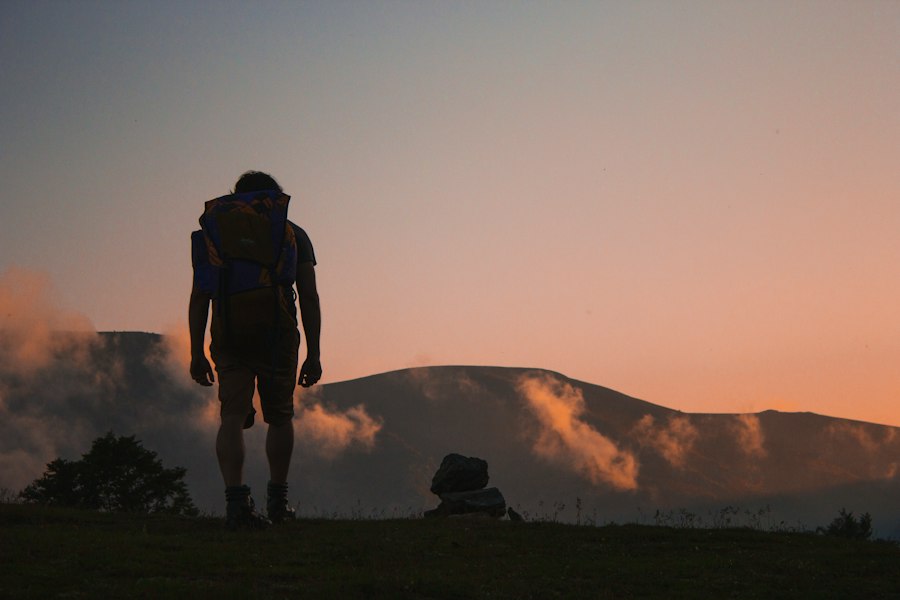
This is where your vision starts to take shape. An itinerary isn’t just a rigid schedule; it’s a flexible framework that ensures you make the most of your time without feeling rushed.
Pacing Yourself Realistically
One of the biggest mistakes travelers make is trying to cram too much into too little time. Remember your travel style: do you want to move quickly or slowly?
- Allow for Travel Time: Don’t underestimate how long it takes to get from one place to another, including checking in and out of accommodation.
- Build in Downtime: Schedule half-days or full days with no planned activities. This allows for spontaneity, relaxation, or catching up if something goes wrong.
- Avoid Back-to-Back Major Activities: Give yourself breathing room between demanding tours or long days of sightseeing.
Mixing and Matching Experiences
A great itinerary offers a variety of experiences. If you spend one day exploring ancient ruins, perhaps the next could be a relaxing beach day or a culinary tour.
- Blend Popular with Local: Combine must-see landmarks with opportunities to experience local life away from the main tourist areas.
- Vary Your Activities: Mix active days with more relaxed ones. Combine indoor activities with outdoor ones.
- Consider Your Travel Companions: If you’re traveling with others, ensure there’s something for everyone.
Flexibility is Key
Even the most meticulously planned trip can encounter unexpected bumps. Weather changes, attractions close, or you simply discover something new you want to explore.
- Have Backup Plans: For outdoor activities, have an alternative indoor option in case of bad weather.
- Don’t Overbook: Leave some gaps in your schedule. This allows you to linger longer at a place you love or discover a hidden gem.
- Embrace the Unexpected: Sometimes the best travel memories come from unplanned detours or unexpected encounters.
Budgeting and Booking Smart

Money matters, even on a perfect journey. A well-thought-out budget prevents financial stress and ensures you can enjoy your trip without constant worry.
Creating a Realistic Budget
Be honest with yourself about what you can afford. Break down your budget into categories.
- Transportation: Flights, trains, buses, rental cars, local taxis.
- Accommodation: Hotels, hostels, apartments, guesthouses.
- Food and Drink: Meals, snacks, drinks, dining out.
- Activities and Sightseeing: Entrance fees, tours, workshops.
- Shopping and Souvenirs: Personal spending.
- Miscellaneous/Buffer: Unexpected expenses, tips, emergencies. Aim for 10-15% of your total budget for this.
- Pre-Trip Expenses: Travel insurance, visas, vaccinations, gear.
Finding the Best Deals (Without Compromising Quality)
Saving money doesn’t mean sacrificing a great experience. It means being strategic.
- Book in Advance (Sometimes): Flights and popular accommodation can often be cheaper when booked well ahead of time. But for some things, last-minute deals can pop up. Research the norms for your specific destination.
- Utilize Price Comparison Sites: For flights and hotels, use sites that compare prices across multiple providers.
- Consider Shoulder Seasons: Traveling just before or after the peak season can offer better prices and fewer crowds.
- Look for Bundles: Sometimes flight+hotel packages can offer savings.
- Loyalty Programs: If you travel frequently, leverage airline or hotel loyalty programs.
- Smart Spending on the Ground: Eat where locals eat, use public transportation, look for free walking tours.
Booking Essential Elements
Once your budget is set, start booking the core components of your trip.
- Flights/Major Transportation: Secure these first, especially if you’re traveling during peak times.
- Accommodation: Book your stays, ensuring they align with your itinerary and budget.
- Key Tours/Experiences: If there’s a specific tour, event, or experience that’s a “must-do” and often sells out, book it in advance.
- Travel Insurance: Don’t skip this. It’s a small investment that can save you a lot of hassle and money if things go wrong.
Packing and Pre-Trip Preparation: Smooth Sailing Starts Here
| Aspect | Metric |
|---|---|
| Destination | Number of options |
| Activities | Available choices |
| Accommodation | Types of lodging |
| Transportation | Modes of travel |
| Cost | Estimated budget |
The journey doesn’t begin when you board the plane; it starts with thoughtful preparation at home.
Packing Smart and Efficiently
Overpacking is a common mistake that leads to unnecessary stress and luggage fees.
- Create a Packing List: Tailor it to your destination, activities, and the length of your trip.
- Lay Out Everything: Before packing, lay out all the items you think you need. Then, go through it critically and remove at least a third.
- Versatile Clothing: Choose items that can be mixed and matched, dressed up or down.
- Layering: Essential for adapting to changing temperatures.
- Toiletries: Miniatures or solid toiletries save space and prevent spills.
- Essential Documents: Keep copies of passports, visas, bookings, and insurance details digitally and physically.
- Chargers and Adapters: Don’t forget the right plugs for your destination.
Essential Pre-Departure Checklist
A few key tasks before you leave can make a world of difference.
- Inform Your Bank: Let them know you’ll be traveling to avoid having your cards flagged for suspicious activity.
- Check Phone Roaming/SIM Card Options: Will you buy a local SIM, use an eSIM, or rely on Wi-Fi?
- Confirm Bookings: Double-check flight times, hotel reservations, and tour schedules a few days before departure.
- Notify Emergency Contacts: Share your itinerary with a trusted person back home.
- Finalize Pet/House Sitting Arrangements: If applicable.
- Download Offline Maps and Translations: In case you lose internet access.
- Pack a Small First-Aid Kit: Band-Aids, pain relievers, any personal medications.
The Mental Shift: Embracing the Adventure
Beyond the practicalities, prepare your mind for the journey ahead.
- Manage Expectations: Not everything will go perfectly, and that’s okay.
- Openness to New Experiences: Be willing to try new things, even if they’re outside your comfort zone.
- Patience: Travel often involves waiting, delays, and navigating unfamiliar situations.
- Presence: Try to put away your phone and truly immerse yourself in the moment.
- Gratitude: Appreciate the opportunity to explore and learn.
Building your perfect journey is an iterative process, a blend of introspection, research, planning, and a dash of flexibility. It’s about empowering you to be the architect of your own incredible travel stories. By putting in this thoughtful effort, you’re not just going on a trip; you’re creating a memorable experience tailored precisely to your vision of perfection.