
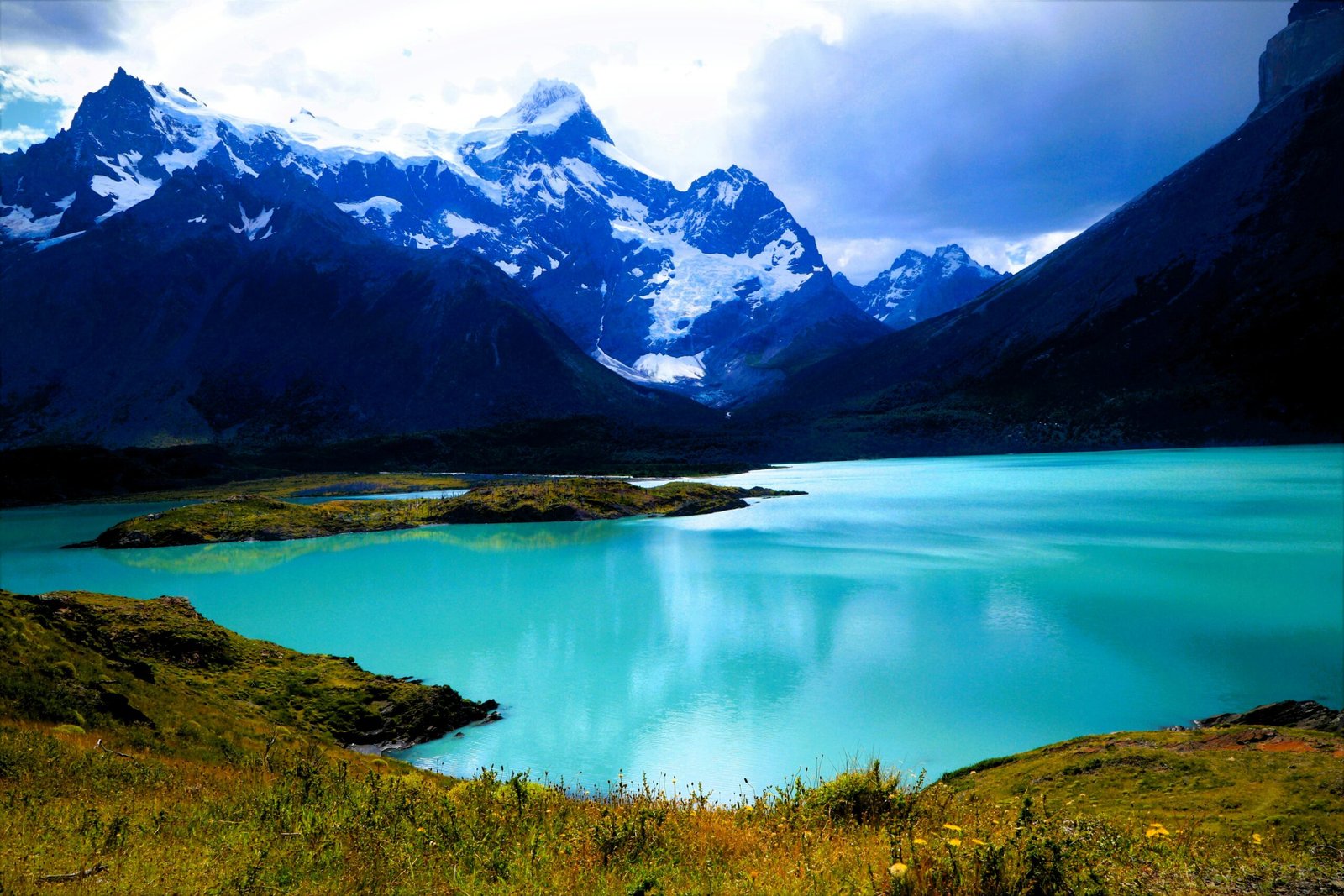
Some places on Earth are so stunning, they genuinely make you question if they’re real or just elaborate backdrops from a fantasy film. These aren’t just pretty spots; they’re entire landscapes that defy expectations, blending colors, formations, and phenomena in ways that feel almost otherworldly. From vibrant, impossible hues to structures sculpted by millennia, these five locations offer a visual feast that often leaves visitors speechless, convinced they’ve stepped into a dream.
1. Salar de Uyuni, Bolivia: The World’s Largest Mirror
Imagine a flat expanse so vast, so reflective, that it perfectly mirrors the sky above, blurring the lines between heaven and Earth. That’s Salar de Uyuni for you, an incredible salt flat in Bolivia that transforms into a colossal, natural mirror during the rainy season. It’s not just a beautiful view; it’s an experience that plays tricks on your perception, making you feel like you’re floating in the clouds.
A Lake Turned to Salt
Millions of years ago, this area was home to prehistoric lakes. As they evaporated, they left behind an immense crust of salt, stretching for over 10,000 square kilometers. This makes it the largest salt flat in the world. The sheer scale is difficult to grasp until you’re standing in the middle of it, surrounded by nothing but white stretching to the horizon.
The Mirror Effect
The true magic happens between December and April, during the rainy season. A thin layer of water collects on the perfectly flat surface of the salt, turning the entire expanse into a colossal, crystal-clear mirror. The reflections are so precise that the sky, clouds, and even distant mountains are replicated with astonishing fidelity. It’s a photographer’s dream and a surreal experience for anyone witnessing it. You can literally walk with your head in the clouds, or at least feel like it.
Beyond the Reflection
Even outside the rainy season, Salar de Uyuni is captivating. The dry salt crust forms intricate hexagonal patterns, a result of the salt crystals drying and cracking. You’ll also find “ojos de sal” or “salt eyes,” which are natural springs bubbling up through the salt, creating small, clear pools. In the center of the salt flat lies Incahuasi Island, a rocky outcrop covered in giant cacti, some over 10 meters tall and hundreds of years old. It feels like an island in a white sea, providing a stark contrast to the endless flatness.
Practical Tips for Visiting
A trip to Salar de Uyuni typically involves a multi-day tour from Uyuni or Tupiza. These tours usually include visits to various points of interest within the salt flats, as well as geysers, hot springs, and even a salt hotel where everything, from the walls to the furniture, is made of salt. It’s essential to bring warm clothing, as temperatures can drop significantly, especially at night, and good sun protection, as the reflective surface intensifies the sun’s rays. Be prepared for high altitudes, too, as the salt flat sits at over 3,600 meters (12,000 feet) above sea level.
If you’re captivated by stunning destinations that seem almost too beautiful to be real, you might also be interested in exploring romantic getaways in the United Kingdom. A great resource for planning your next adventure is this detailed itinerary that offers insights into seven enchanting locations perfect for a week-long escape. Discover the charm of the UK by checking out the article here: Romantic United Kingdom Getaway: 7-Day Itinerary.
2. Zhangye Danxia Landform, China: Rainbow Mountains

If you’ve ever imagined mountains painted with every color of the rainbow, then the Zhangye Danxia Landform in China will make those imaginings a reality. These incredible geological formations aren’t painted by human hands but by millions of years of natural processes, resulting in a landscape that looks almost too vibrant to be true.
Nature’s Masterpiece
The Danxia landforms are a unique type of geomorphology found in China, characterized by red bedrock cliffs and steep slopes. What makes the Zhangye Danxia so extraordinary are the vivid, almost stripes of color – reds, oranges, yellows, greens, and blues – that ripple across the mountains. It’s like a colossal geological watercolor painting, where each brushstroke tells a story of ancient sedimentation.
How the Colors Formed
The vibrant hues are a result of trace minerals and red sandstone that have been laid down in layers over approximately 24 million years. Tectonic plates crashed and uplifted, folding these layers of sediment and exposing them to the elements. Over time, erosion, wind, and rain sculpted these folded layers into the dramatic peaks, valleys, and ravines we see today, revealing the distinct colored bands. The differing mineral content within each layer creates the striking color variations. For example, iron oxides create the reds and oranges, while other minerals contribute to the greens and yellows.
A Photographer’s Paradise
The best time to visit is typically in the morning or late afternoon, especially at sunset, when the low-angle light dramatically enhances the colors, making them appear even more intense and saturated. The park has several viewing platforms strategically placed to offer the best panoramic vistas of the different formations. Each platform provides a unique perspective on this natural wonder, allowing visitors to appreciate the scale and artistry of the landscape. It’s a place where every turn offers a postcard-worthy shot.
Exploring the Park
The Zhangye Danxia National Geological Park is well-maintained with boardwalks and shuttle buses that take visitors between the different viewing platforms. While you can’t hike freely on the fragile formations, the established routes offer plenty of opportunities to marvel at the scenery. It’s a vast park, so dedicating a good half-day to a full day is recommended to properly explore and appreciate the various viewpoints. Bring comfortable shoes, as there’s a fair bit of walking involved between the shuttle stops and viewing platforms.
3. Plitvice Lakes National Park, Croatia: Cascading Wonderland

Imagine a series of sixteen terraced lakes, interconnected by countless waterfalls and cascades, their waters shimmering in an impossible spectrum of blues and greens. This isn’t a scene from a fantasy movie; it’s Plitvice Lakes National Park in Croatia, a UNESCO World Heritage site that truly feels like stepping into a lush, vibrant dream.
A Symphony of Water
What makes Plitvice so breathtaking is the continuous interplay of water and geology. Over thousands of years, water flowing over limestone and chalk created natural dams of travertine (a form of limestone), which in turn formed the lakes. These dams grow at a rate of about 1 cm per year, constantly reshaping the landscape. The mineral content of the water, coupled with sunlight and microorganisms, gives the lakes their iconic and ever-changing hues, ranging from azure to emerald green, deep blue to grey, depending on the mineral presence, the amount of sunlight, and the organisms in the water.
Upper and Lower Lakes
The park is broadly divided into the Upper Lakes (Gornja Jezera) and the Lower Lakes (Donja Jezera). The Upper Lakes are characterized by larger, deeper lakes surrounded by dense forest, with gentler slopes and broader waterfalls. The Lower Lakes, on the other hand, are smaller, shallower, and carved into a limestone canyon with dramatic cliffs and more spectacular, towering cascades. Both sections offer unique perspectives and stunning photographic opportunities.
Wooden Walkways and Pathways
To protect this delicate ecosystem and allow visitors to experience its beauty up close, the park features an extensive network of wooden walkways and bridges that crisscross the lakes and wind alongside the waterfalls. This allows you to walk directly over the water, feeling the spray of the cascades and immersing yourself in the serene sounds of nature. The paths are generally well-maintained and easy to navigate, though they can get crowded during peak season.
Practicalities for Visiting
Plitvice is a popular destination, so it’s wise to arrive early in the morning, especially in summer, to avoid the biggest crowds. There are two main entrances, and both offer parking, restrooms, and basic amenities. You can choose from various well-marked hiking routes, ranging from a few hours to a full day, or utilize the park’s electric boat and panoramic train services to cover longer distances. Wear comfortable walking shoes, as you’ll be on your feet quite a bit. Swimming is not allowed in the lakes to preserve their fragile ecosystem, but the sheer visual splendor more than makes up for it.
4. Antelope Canyon, USA: Nature’s Abstract Art
Step inside Antelope Canyon, and you’ll find yourself bathed in a surreal glow, surrounded by fluid, wave-like sandstone walls that seem to dance with light. Located on Navajo land near Page, Arizona, this slot canyon is a masterpiece of natural abstract art, carved by millennia of water and wind. It’s a place where light becomes tangible, and rock transforms into liquid.
Carved by Water and Wind
Antelope Canyon is a slot canyon, a narrow gorge formed by the erosion of sandstone. For centuries, flash floods from rare desert storms have rushed through the soft Navajo sandstone, carving out the distinctive smooth, undulating walls. The powerful forces of water, carrying abrasive sand and debris, slowly yet relentlessly sculpted the rock into the graceful, flowing shapes we see today. Wind erosion also played a role, polishing the surfaces to a silky sheen.
Upper vs. Lower Canyon
There are two main sections accessible to visitors: Upper Antelope Canyon and Lower Antelope Canyon.
- Upper Antelope Canyon (Tsé bighánílíní – “the place where water runs through rocks”) is wider at the top and narrower at the bottom, creating a “V” shape. It’s famous for its dramatic light beams that penetrate through openings in the canyon ceiling, especially prominent during midday in warmer months. The walk is flat and easy, making it accessible for most visitors.
- Lower Antelope Canyon (Hazdistazí – “spiral rock arches”) is narrower at the top and wider at the bottom, forming an “A” shape. It requires navigating steeper staircases and ladders, and a bit more agility, but offers a longer, more intimate exploration of the canyon’s twists and turns, with a different quality of light and shadows.
The Magic of Light
The true magic of Antelope Canyon lies in the way light interacts with its sculpted walls. Sunlight filters down from the narrow opening above, reflecting off the warm-toned sandstone, creating an ethereal glow that shifts and changes with the time of day and the season. The colors appear to morph from deep oranges and reds to soft purples and blues, depending on the angle of the light. The famous light beams in Upper Antelope Canyon are a spectacle in themselves, often appearing like spotlights from another dimension.
Visiting Rules and Requirements
Antelope Canyon is located on Navajo Nation land, and access is strictly controlled. You cannot visit independently; you must book a guided tour with a licensed Navajo tour operator. This is essential for safety, as flash floods can occur quickly, and to respect the sacred nature of the site for the Navajo people. Tours typically last about 1 to 1.5 hours. It’s advisable to book well in advance, especially for peak times and seasons. Remember to bring water, wear closed-toe shoes, and respect the cultural significance of the canyon. Photography is encouraged, but tripods are often restricted to specialized photography tours due to space constraints.
If you’re captivated by stunning landscapes and breathtaking destinations, you might also enjoy exploring the article on planning your perfect trip. This resource offers valuable insights into how to make the most of your travels while discovering hidden gems around the world. From picturesque villages to serene beaches, the beauty of these locations can leave you in awe. For more inspiration, check out the article here and start dreaming about your next adventure.
5. Hitachi Seaside Park, Japan: Fields of Unbelievable Color
| Place | Location | Key Feature | Best Time to Visit | Visitor Rating (out of 5) |
|---|---|---|---|---|
| Pamukkale | Turkey | Terraced thermal pools with white travertine | April to October | 4.7 |
| Jiuzhaigou Valley | China | Colorful lakes and waterfalls | September to November | 4.8 |
| Antelope Canyon | USA (Arizona) | Slot canyon with light beams | March to October | 4.6 |
| Plitvice Lakes National Park | Croatia | Series of cascading lakes and waterfalls | May to September | 4.9 |
| Socotra Island | Yemen | Unique dragon blood trees and alien landscapes | October to April | 4.5 |
Imagine vast, rolling hills painted with a single, vibrant color that stretches as far as the eye can see, changing dramatically with the seasons. That’s the surreal beauty of Hitachi Seaside Park in Hitachinaka, Ibaraki, Japan. This meticulously cultivated park isn’t just a collection of flowers; it’s a living canvas where entire landscapes are transformed by mass plantings into breathtaking spectacles of color.
Seasonal Transformations
What makes Hitachi Seaside Park so incredible is its dedication to seasonal floral displays that cover expansive areas, creating scenes that look almost photoshopped. The park is famous for several key floral events throughout the year:
- Spring (late April to early May): Nemophila (Baby Blue Eyes): This is arguably the park’s most iconic display. Millions of tiny, sky-blue nemophila flowers blanket the “Miharashi no Oka” (Lookout Hill), creating a sea of ethereal blue that merges seamlessly with the sky on a clear day. It’s an overwhelmingly beautiful and serene experience.
- Early Summer (June to July): Roses and Poppies: Following the nemophila, the park bursts with colorful poppies, often planted in dramatic drifts, and a dedicated rose garden comes into full bloom, offering a more traditional but equally stunning floral display.
- Autumn (October): Kochia (Summer Cypress): As autumn approaches, the same Miharashi no Oka hill undergoes another spectacular transformation. The kochia plants, which are green during summer, slowly turn into a brilliant, fiery red, creating a vibrant, crimson carpet across the landscape. This is another incredibly popular and visually striking season.
- Winter (December to February): Ice Tulips: Even in winter, the park offers something unique with its “ice tulips,” specially cultivated varieties that bloom in colder temperatures, adding a touch of color to the chillier months.
More Than Just Flowers
While the flowers are the main draw, Hitachi Seaside Park is a large, diverse recreational area. Beyond the floral hills, it features:
- An Amusement Park: With a Ferris wheel offering panoramic views of the park and the Pacific Ocean, as well as various other rides suitable for families.
- Cycling Paths: Extensive paths wind through the park, allowing visitors to rent bicycles and explore at their own pace.
- Nature Trails and Gardens: Areas dedicated to specific plant types, offering different textures and colors throughout the year.
- Grassy Areas and Playgrounds: Perfect for picnics and relaxing, especially for families.
Planning Your Visit
To fully appreciate Hitachi Seaside Park, it’s crucial to time your visit with the blooming seasons. Check the park’s official website or local tourism information for the most up-to-date blooming schedules. The park can get very crowded during peak nemophila and kochia seasons, especially on weekends and national holidays, so arriving early is highly recommended. Wear comfortable walking shoes, as the park is extensive, and be prepared for variable weather conditions. There are food stalls, cafes, and souvenir shops within the park, so you can easily spend a full day immersed in its incredible beauty.