
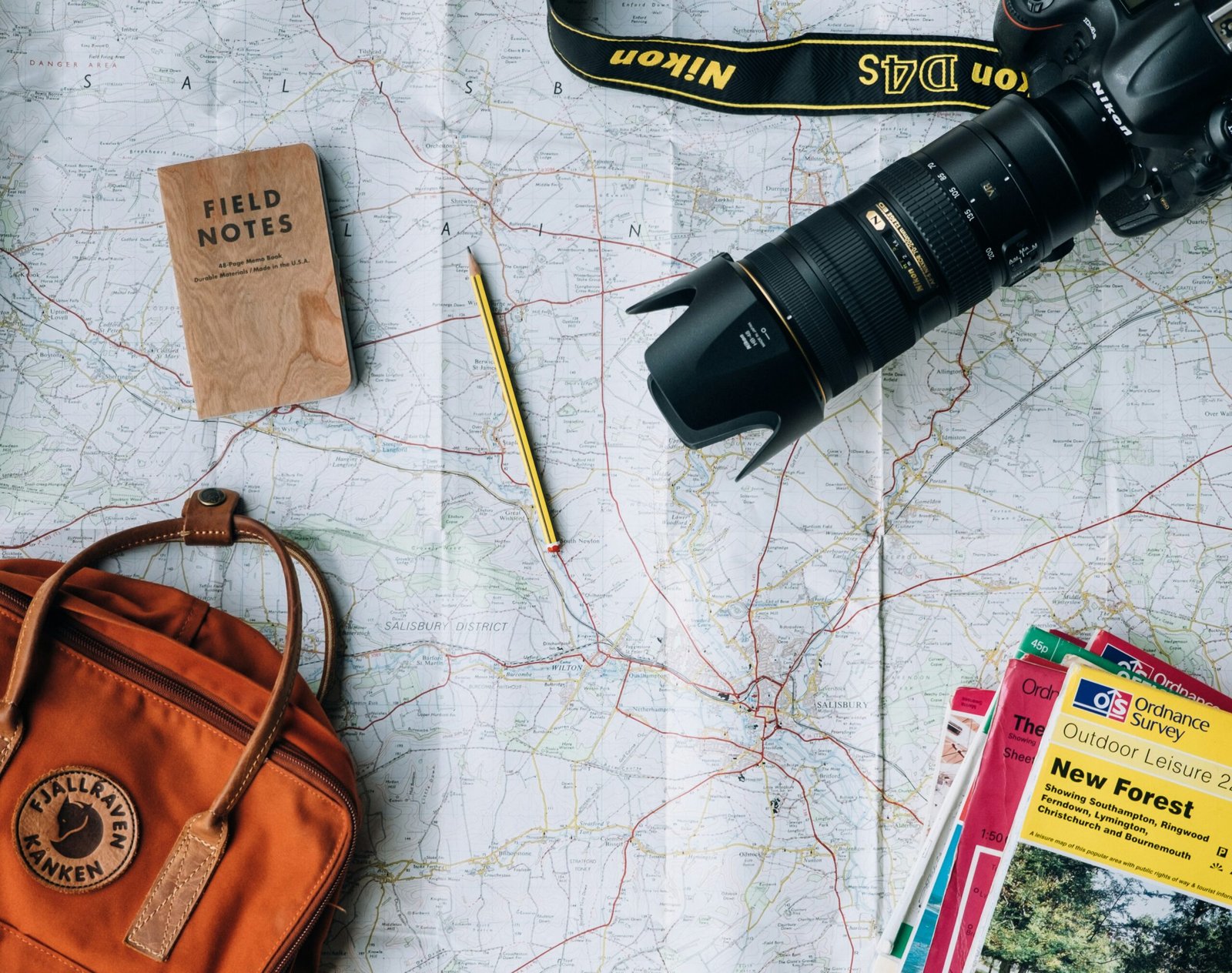
Alright, let’s talk about getting your travel plans sorted. The big question is, how do you actually create a travel plan that works? It’s less about a rigid schedule and more about having a solid framework so you can actually enjoy your trip without feeling completely lost or overwhelmed. Think of it as setting yourself up for success, not tying yourself down.
Why Bother with a Travel Plan?
You might be wondering if all this planning is really necessary. Can’t you just wing it? Sure, sometimes spontaneous trips are amazing. But for most of us, a little bit of upfront thought can make a huge difference. It helps you:
- Maximize your time: No more “if only we knew about this place” moments.
- Manage your budget: Avoid nasty surprises and make your money go further.
- Reduce stress: Knowing what’s coming next is surprisingly calming.
- Actually experience the destination: Move beyond just ticking boxes.
Understanding Your Travel Style and Goals
Before you even think about booking anything, take a moment to reflect. What kind of traveler are you? What do you actually want to get out of this trip? This self-awareness is the foundation of a good plan.
What Kind of Traveler Are You?
This isn’t about labels, but about understanding your preferences.
The Relaxer
- Your ideal trip involves lounging, reading, maybe a gentle spa day.
- You’re not looking to rush from one sight to another.
- Think beach resorts, quiet countryside, or a cozy cabin.
The Explorer
- You crave new experiences and want to see as much as possible.
- You’re happy to spend your days walking, sightseeing, and trying new things.
- This could be a city break packed with museums or a multi-city adventure.
The Adventurer
- Your heart beats faster at the thought of hiking, kayaking, or trying something a little more… thrilling.
- You’re okay with getting a bit dirty and pushing your comfort zone.
- Think national parks, remote islands, or destinations known for outdoor activities.
The Foodie
- Your taste buds are your primary guide.
- You want to eat your way through your destination, seeking out local delicacies and unique culinary experiences.
- Your itinerary will likely revolve around markets, restaurants, and cooking classes.
The Cultural Immersionist
- You want to understand the local way of life, connect with people, and learn about the history and traditions.
- You’ll spend time in local neighborhoods, talking to people, and visiting historical sites.
What Are Your Trip Goals?
Be specific. “A vacation” is too broad.
Relaxation and Recharge
- Is your main goal to de-stress and come back feeling refreshed? This will heavily influence your destination choice and activity pace.
Learning and Education
- Are you hoping to learn a new skill, understand a historical period, or gain a new perspective?
Adventure and Thrills
- Are you looking for an adrenaline rush or to conquer a physical challenge?
Connection and Relationships
- Is this a trip to spend quality time with family, friends, or a partner? This might mean choosing destinations and activities that cater to multiple people’s interests.
Personal Growth
- Are you seeking a new challenge, a different perspective, or a chance to discover something about yourself?
Research: The Cornerstone of Your Plan
Once you have a rough idea of your style and goals, it’s time to dive into the research. This is where you start turning dreams into tangible possibilities.
Choosing Your Destination
This is the big one. What factors should you consider?
Budget Realities
- Some places are simply more expensive than others. Flights, accommodation, food, and activities all add up.
- Research average daily costs for your potential destinations. Websites like Numbeo or budget travel blogs can be incredibly helpful here.
- Consider the time of year. Peak season is usually pricier and more crowded.
Time of Year and Weather
- What’s the weather going to be like? Do you prefer sunshine, snow, or something in between?
- Research typical weather patterns for your chosen time. Don’t forget to check for monsoon seasons, hurricane seasons, or extreme heat/cold.
- Consider if there are any major festivals or events happening that might influence your decision (or your crowds!).
Interests and Activities
- Does the destination offer the experiences you’re looking for? If you want to ski, don’t pick a tropical island.
- Look for attractions, natural landscapes, and cultural sites that align with your goals.
Travel Time and Logistics
- How long will it take to get there? Are you willing to spend a significant amount of time traveling?
- Consider flight connections, visa requirements, and any necessary vaccinations.
Deep Diving into Specifics
Once you’ve narrowed down your destination, it’s time to get granular.
Accommodation Options
- Hotels: From budget hostels to luxury resorts. Consider location, amenities, and reviews.
- Vacation Rentals (Airbnb, VRBO): Great for families, longer stays, or if you want a kitchen to save on food costs.
- Guesthouses/B&Bs: Often offer a more personal touch and local insights.
- Hostels: Ideal for solo travelers or those on a tight budget, offering social opportunities too.
Transportation within the Destination
- Public Transport: Buses, trains, subways – often the most cost-effective and immersive way to get around.
- Taxis/Ride-sharing: Convenient but can be expensive, especially in major cities.
- Car Rental: Offers freedom and flexibility, but be aware of driving laws, parking, and fuel costs.
- Walking/Cycling: Perfect for exploring smaller towns or specific neighborhoods.
Must-See Attractions and Experiences
- Identify the key landmarks, museums, natural wonders, or activities that truly excite you.
- Don’t just rely on generic “top 10” lists. Look for hidden gems and local recommendations.
- Check opening hours, ticket prices, and if advance booking is necessary.
Food and Dining
- Research local specialties and popular restaurants.
- Consider grocery stores and local markets for more budget-friendly options.
- Look for unique culinary experiences like food tours or cooking classes.
Building Your Itinerary: The Flexible Framework
This is where you start putting the pieces together. Remember, this isn’t a minute-by-minute schedule, but a guide.
The Power of a Loose Structure
- Daily Themes: Assign a general theme to each day (e.g., “Museum Day,” “Nature Exploration,” “Local Market Immersion”).
- Anchor Points: Identify 1-2 key activities or reservations for each day that you definitely want to do.
- Buffer Time: Always build in downtime. You’ll need it for spontaneous discoveries, unexpected delays, or just to relax.
Prioritizing and Sequencing
- Geographical Grouping: Plan activities that are close to each other on the same day to minimize travel time.
- Pace Yourself: Don’t cram too much into one day, especially if you’re in a new and stimulating environment.
- Consider Energy Levels: If you have an early start or a long day of walking, plan for a more relaxed evening.
Booking Essentials
What needs to be booked in advance?
Flights and Major Transport
- These are often the biggest expenses and can sell out, so book these early, especially for popular times.
- Compare prices across different airlines and booking platforms.
Accommodation
- Similar to flights, book your accommodation in advance, especially if you have specific requirements or are traveling during peak season.
- Consider the cancellation policies.
Key Tours and Attractions
- Some popular tours or attractions have limited capacity and require advance booking (e.g., guided tours of major historical sites, popular shows).
- This can also save you time waiting in lines.
Visas and Important Documents
- This is crucial. Research visa requirements well in advance. The process can take time.
- Ensure your passport is valid for at least six months beyond your intended stay.
Budgeting: Making it Work
A travel plan without a budget is like a car without fuel. It’s not going anywhere.
Estimating Your Costs
Break down your expenses into categories.
Pre-Trip Costs
- Flights/Major Transportation: The biggest chunk for many.
- Visas/Travel Insurance: Non-negotiable for peace of mind.
- Vaccinations/Medications: If required for your destination.
- Gear/Clothing: Any specific items you need to buy.
On-Trip Costs
- Accommodation: Daily or nightly rates.
- Food and Drink: Factor in restaurant meals, snacks, and drinks.
- Local Transportation: Buses, trains, taxis, ride-sharing.
- Activities and Entrance Fees: Museums, tours, excursions.
- Souvenirs and Shopping: Set a realistic limit.
- Miscellaneous: Tips, unexpected expenses, toiletries.
Smart Money-Saving Tips
You don’t need to be stingy to save money.
Embrace Local Eats
- Skip the tourist traps and eat where the locals eat. Street food and local markets are often delicious and affordable.
- Pack snacks and a reusable water bottle to avoid impulse buys.
Utilize Public Transportation
- It’s almost always cheaper and often more interesting than taxis. Get a local transport card if available.
Look for Free Activities
- Many cities have free walking tours, beautiful parks, and vibrant public spaces.
- Check for free museum days or evenings.
Consider Travel Passes
- For cities with extensive public transport or many attractions, a city pass might save you money. Do the math first, though.
Travel Off-Season or Shoulder Season
- Prices for flights and accommodation are often significantly lower outside of peak times.
Packing Smartly
What you bring can make or break your trip. It’s about essentials, not excess.
The Minimalist Approach
- Pack Versatile Clothing: Items that can be mixed and matched and are suitable for various occasions.
- Layering is Key: Especially for destinations with unpredictable weather.
- Check the Weather Forecast (and then pack for one degree colder/hotter): You don’t want to be caught unprepared.
Essential Items
- Comfortable Shoes: You’ll be doing a lot of walking.
- Universal Travel Adapter: A must-have for charging your electronics.
- Portable Power Bank: Keep your devices charged on the go.
- Basic First-Aid Kit: For minor scrapes, headaches, or stomach issues.
- Reusable Water Bottle: Stay hydrated and reduce plastic waste.
- Copies of Important Documents: Passport, visa, insurance details (stored separately from originals).
Final Checks and On the Road
You’ve planned, researched, and packed. Almost there!
Last-Minute To-Do’s
- Inform Your Bank: Let them know you’ll be traveling to avoid card issues.
- Download Offline Maps: Google Maps or similar apps allow you to download maps for offline use.
- Share Your Itinerary: Let a trusted friend or family member know where you’re going and when you expect to be back.
- Charge All Devices: Ensure everything is fully charged before you leave home.
Staying Flexible and Adaptable
No matter how well you plan, things can and do go wrong.
- Embrace the Unexpected: Sometimes the detours lead to the best discoveries.
- Don’t Be Afraid to Deviate: If you discover something amazing not on your plan, go for it!
- Roll with the Punches: A delayed flight or a closed attraction isn’t the end of the world. Take a deep breath and adjust.
Creating a travel plan isn’t about being rigid; it’s about being prepared so you can truly relax and enjoy the adventure. It’s your roadmap, not a prison. Happy planning, and even happier travels!