
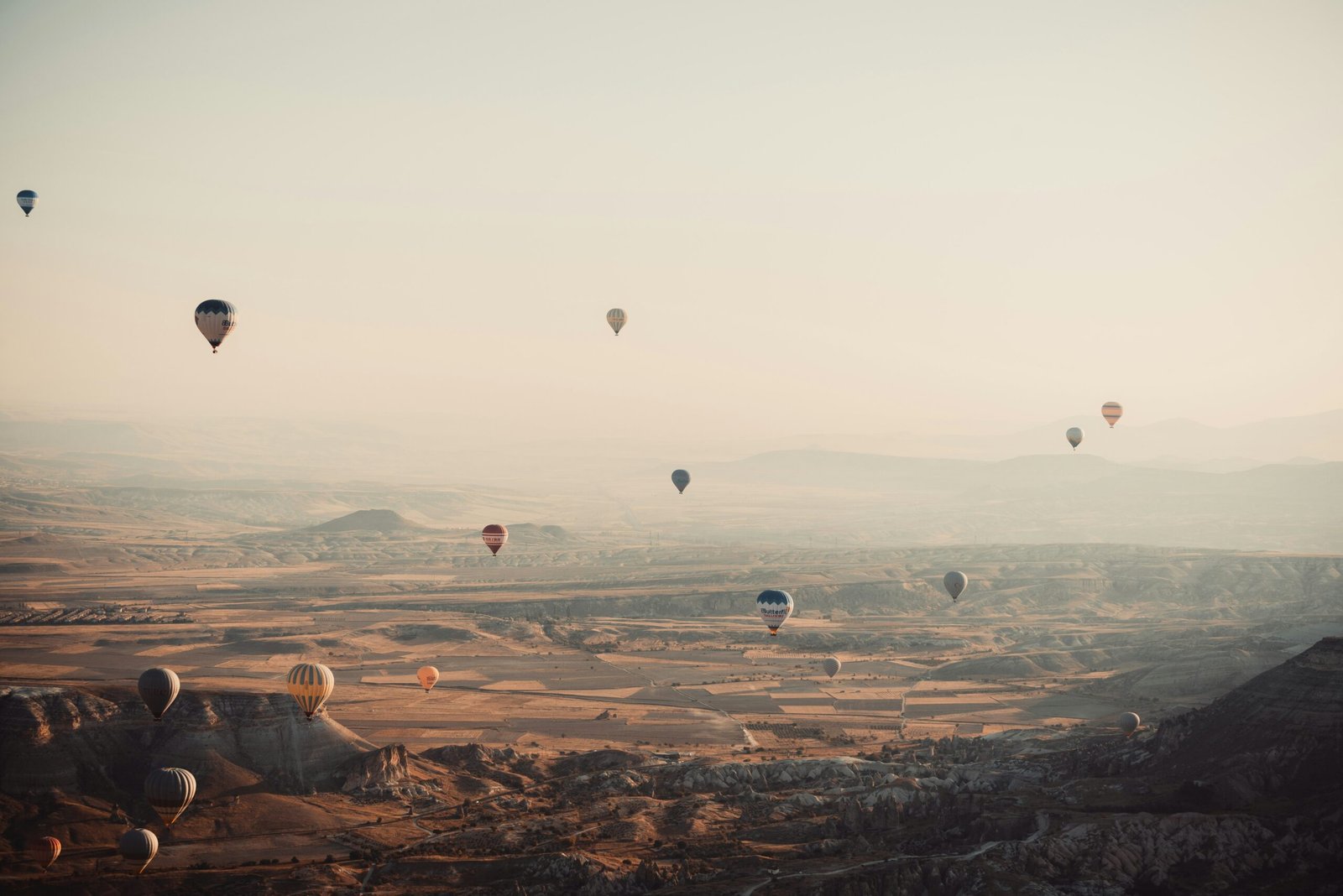
You’re probably wondering how to make sure your next trip is exactly what you want it to be. The good news is, “Your Trip, Your Way” isn’t some magic phrase; it’s about putting yourself in the driver’s seat of your travel plans. It means moving beyond just booking what’s convenient or what everyone else seems to be doing, and really digging into what will make you happy, relaxed, or invigorated. It’s about making sure the memories you bring back are truly yours.
Before you even think about booking a flight or a hotel, let’s get honest about what you actually want from a trip. This sounds obvious, but most of us skip this step and end up feeling a bit… off, when we get back.
What’s Your Travel Vibe Right Now?
Think about your current energy levels and what you need. Are you burnt out and craving absolute rest? Or are you feeling adventurous and ready to explore?
- The Deep Recharge: This is for when you need to disconnect and literally do nothing. Think quiet beaches, cozy cabins, or a comfortable hotel room with no agenda. The goal is minimal effort, maximum peace.
- The Cultural Immersion: You want to dive deep into a new place, understand its history, and connect with its people. This involves museums, local markets, trying traditional foods, and maybe even learning a few phrases.
- The Adventure Seeker: This is for the adrenaline junkies or those looking to push their boundaries. Hiking challenging trails, trying extreme sports, or exploring remote landscapes.
- The Foodie Pilgrimage: Your main motivation is delicious food. You’re planning your itinerary around restaurants, culinary tours, and local delicacies.
- The Social Butterfly: You want to connect with people, whether it’s old friends, family, or even new acquaintances made on the road. This might involve group trips or staying in places with good communal areas.
What’s Your Definition of “Relaxed”?
For some, relaxation means zero plans and the freedom to decide on a whim. For others, it’s having a meticulously planned itinerary that removes any decision fatigue.
- The Spontaneous Wanderer: You like to keep your options open. You might book a flight and a first night’s stay, then figure out the rest as you go. This can be exhilarating but requires a certain comfort with uncertainty.
- The Master Planner: You thrive on having every detail sorted. This reduces stress during the trip because you know where you’re going, what you’re doing, and how you’re getting there. This approach often involves detailed research and pre-booking.
What Are Your Non-Negotiables?
Every trip has a few things that are absolutely essential for you to enjoy it. Identifying these upfront will save you a lot of potential disappointment.
- Budget: Be realistic about what you can comfortably spend. This will guide your destination choices, accommodation types, and activities.
- Time: How much time do you actually have? A weekend getaway is very different from a month-long sabbatical.
- Travel Companions: Are you traveling solo, with a partner, family, or friends? This significantly impacts the kind of activities and pace you’ll choose.
- Comfort Level: This isn’t just about luxury. It’s about your personal comfort zone regarding accommodation standards, types of food, and safety.
Crafting Your Ideal Itinerary (Without Overdoing It)
Once you know what you want, it’s time to translate that into a plan. The key here is balance – enough structure to feel secure, but enough flexibility to feel free.
The Power of a Loose Framework
A rigid, minute-by-minute itinerary can feel more like work than a vacation. Instead, think about building a framework that allows for spontaneity.
- Daily Themes: Assign a general theme to each day. For example, “Museum Monday,” “Coastal Tuesday,” or “Market Day Wednesday.” This gives you direction without locking you into specific activities.
- Must-Do vs. Nice-to-Have: List out the absolute essentials (your must-dos) and then a list of things you’d like to do if time and energy allow (your nice-to-haves). Prioritize the must-dos and see where the nice-to-haves fit in.
- Buffer Time: Always build in downtime. Whether it’s an afternoon at a cafe, a nap, or just wandering without a destination, this is crucial for preventing burnout.
Embracing Serendipity
Some of the best travel moments happen when you least expect them. Don’t plan every second so tightly that you miss these golden opportunities.
- The “Wander Around” Slot: Dedicate a block of time each day (or a couple of times a week) to simply explore a neighborhood without a specific goal. You might stumble upon a hidden gem.
- Local Recommendations: Talk to locals! Hotel staff, shopkeepers, or even people you meet can offer fantastic, off-the-beaten-path suggestions that you won’t find in guidebooks.
- Be Open to Detours: If you hear about something amazing happening spontaneously – a local festival, a street performance – don’t be afraid to adjust your plan. That’s where the magic often lies.
Booking Smart, Not Just Cheap
Saving money is important, but not at the expense of your comfort or the quality of your experience.
- Accommodation Beyond Hotels: Consider boutique hotels, charming guesthouses, apartments, or even well-vetted hostels if you’re social. These can offer a more authentic experience.
- Transportation Choices: Are you always defaulting to the fastest option? Sometimes a scenic train ride or a bus journey can be an experience in itself, and often much cheaper.
- Flexibility in Dates: If your travel dates are flexible, even by a day or two, you can often find significant savings on flights and accommodation.
Personalizing Your Experience: The Small Details Matter

It’s often the little touches that elevate a trip from good to truly memorable. This is where “Your Trip, Your Way” really shines.
Tailoring Your Activities
Don’t feel obligated to do the typical tourist circuit if it doesn’t appeal to you.
- Beyond the Main Attractions: Research smaller museums, local art galleries, or community events. These can offer a more intimate and authentic glimpse into a place.
- Hands-On Experiences: Instead of just observing, try participating. Take a cooking class, learn a traditional craft, or join a local walking tour led by someone who lives there.
- Focus on Your Passions: Love photography? Plan your days around locations that offer great photo opportunities. Into history? Seek out lesser-known historical sites.
Food and Drink as a Journey
For many, food is a central part of the travel experience. Make it personal.
- Local Markets: These are goldmines for authentic flavors and local interactions. Go, sample, and maybe even buy some ingredients to try cooking yourself if you have the facilities.
- Street Food Adventures: Don’t shy away from reputable street food vendors. It’s often some of the most delicious and affordable food you’ll find.
- Café Culture: Spend time in local cafes. They are perfect for people-watching, soaking up the atmosphere, and enjoying a simple coffee or pastry. It’s a great way to slow down.
Connecting with the Local Culture (Authentically)
This isn’t about being a voyeur; it’s about respectful engagement.
- Learn Basic Phrases: Even a simple “hello,” “thank you,” and “excuse me” can go a long way in fostering positive interactions.
- Be Mindful of Customs: Do a little research on local etiquette regarding dress, greetings, and dining.
- Support Local Businesses: Choose local restaurants, shops, and tour operators over large international chains whenever possible.
Mastering the Art of Solo Travel (If That’s Your Way)

Traveling solo offers unparalleled freedom and self-discovery. Making it “your way” means embracing that.
Embracing Solitude
Solo travel is a fantastic opportunity to get to know yourself better.
- The Power of Observation: Without the distraction of conversation, you’re more attuned to your surroundings. Notice the details, the interactions, the rhythm of the place.
- Intentional Reflection: Carry a journal. Jot down your thoughts, feelings, and observations. It’s a great way to process your experiences and your own personal growth.
- Comfortable Dining Alone: This is often the biggest hurdle for new solo travelers. Start with casual spots or places with bar seating. Bring a book or your journal to feel more at ease.
Finding Your Tribe (When You Want To)
Just because you’re traveling solo doesn’t mean you have to be lonely.
- Hostel Common Areas: Even if you’re not staying in a dorm, many hostels have great common areas where you can meet other travelers.
- Organized Tours: Day tours or specialized interest tours (like food tours or historical walks) are excellent ways to connect with like-minded individuals.
- Meetup Groups: Check out apps like Meetup for local groups or expat gatherings happening in your destination. You might find people interested in the same activities.
Safety First, Always
Solo travel requires a heightened awareness of your surroundings.
- Inform Someone of Your Plans: Share your itinerary with a trusted friend or family member back home and check in regularly.
- Trust Your Gut: If a situation or person feels off, it probably is. Don’t hesitate to remove yourself from it.
- Research Neighborhoods: Understand which areas are safe to walk around, especially at night.
Packing for Your Personal Adventure
| Aspect | Details |
|---|---|
| Destination | Customized according to your preferences |
| Activities | Tailored to your interests and hobbies |
| Accommodation | Options ranging from luxury hotels to cozy B&Bs |
| Transportation | Flexible choices including car rentals, private drivers, or public transport |
| Duration | Can be adjusted to fit your schedule |
What you bring with you can significantly impact your comfort and enjoyment. Think practically and intentionally.
The “Less is More” Philosophy
Overpacking is a common travel mistake that adds stress and inconvenience.
- Versatile Clothing: Pack items that can be mixed and matched and work for various occasions. Think neutral colors and comfortable fabrics.
- Layering is Key: This allows you to adapt to different temperatures and weather conditions without carrying a huge wardrobe.
- Minimize Toiletries: Decant your favorite products into travel-sized containers. Most hotels provide basic amenities.
Essential Comforts That Make a Difference
These are the items that might seem small but can enhance your trip immeasurably.
- A Good Book or E-reader: For downtime, plane rides, or quiet evenings.
- Comfortable Walking Shoes: This is non-negotiable. You’ll be doing a lot of exploring.
- A Portable Power Bank: Essential for keeping your devices charged on the go.
- A Reusable Water Bottle: Stay hydrated and reduce plastic waste.
- A Small First-Aid Kit: For minor scrapes and ailments.
- Earplugs and an Eye Mask: For better sleep, especially in unfamiliar environments.
Adapting Your Packing to Your Destination
Your packing list should vary greatly depending on where you’re going.
- Climate Considerations: Obvious, but worth stating. A tropical destination requires very different gear than a winter trip.
- Cultural Norms: If you’re visiting conservative areas, pack accordingly to show respect.
- Activity-Specific Gear: If you’re planning on hiking, skiing, or water sports, bring the appropriate equipment or plan to rent it.
Ultimately, “Your Trip, Your Way” is about empowerment. It’s about recognizing that you have the agency to design an experience that truly resonates with you, not just one that ticks a box. It’s about the joy of anticipation, the freedom of choice, and the satisfaction of returning with memories that are uniquely yours. So, take a deep breath, ask yourself what you truly want, and start planning that perfect, personal adventure.