
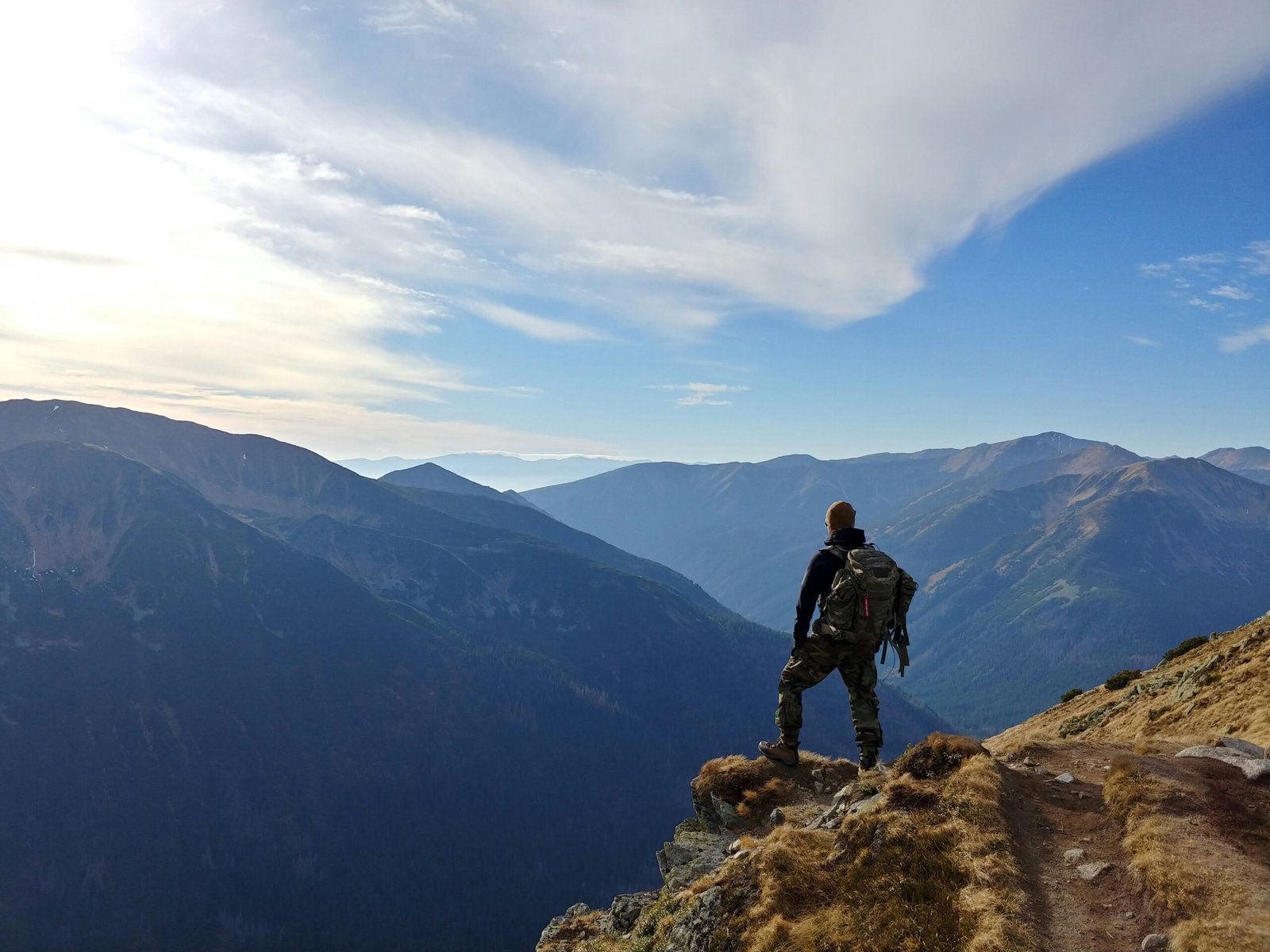
Thinking about your next big trip? Instead of picking a destination off a list, why not design an adventure tailored specifically to you? This isn’t about being fancy or over-the-top; it’s about intentional travel, making sure your time and money deliver maximum personal reward. Forget the package tours and the pressure to see the “must-sees.” This is about crafting an experience that resonates deeply, whether that’s pushing your physical limits, immersing yourself in a new culture, or simply finding a quiet place to reflect. The key is to start with you – your interests, your energy levels, and what you truly want to gain from the journey.
Before you even think about where to go, consider what kind of adventure you’re looking for. This isn’t just about activity; it’s about the underlying purpose and feeling.
What’s Your Motivation?
Are you seeking relaxation, challenge, learning, connection, or something else entirely?
- Rest and Rejuvenation: Perhaps your daily life is demanding, and you crave quiet, comfort, and minimal decision-making. This could mean a week at a secluded beach, a cabin in the woods, or a resort with good food and spa services.
- Personal Growth and Challenge: Are you looking to step outside your comfort zone? This might involve a multi-day hike, learning a new skill (like surfing or pottery) in an unfamiliar place, or even navigating a country where you don’t speak the language.
- Cultural Immersion: Do you want to understand a different way of life, learn about history, art, or local customs? This could lead you to bustling cities, remote villages, or historical sites.
- Adventure and Exploration: Is it about pushing physical boundaries, seeing untouched nature, or discovering hidden gems? Think trekking, diving, kayaking, or off-road expeditions.
- Connection and Community: Are you traveling to spend quality time with loved ones, make new friends, or participate in a group experience? This might mean a family road trip, a volunteer project, or a retreat.
Identifying Your Non-Negotiables
Every trip has constraints. Knowing yours upfront helps narrow down options and avoid frustration later.
- Budgetary Framework: Be realistic. A shoestring budget opens up different possibilities than a generous one. Think about transportation, accommodation, food, activities, and unforeseen expenses. Is a $50/day backpacker budget feasible, or are you aiming for a $200/day comfortable travel experience?
- Time Constraints: How much time do you realistically have? A weekend trip demands a different approach than a month-long sabbatical. Factor in travel time to and from your destination.
- Travel Style Preferences: Are you a solo explorer, a couple, a family, or a group? Do you prefer hostels, boutique hotels, camping, or Airbnb? Do you like meticulously planned itineraries or spontaneous wandering? This also includes your comfort with logistics – do you want everything arranged, or do you enjoy figuring things out on the fly?
- Physical Limitations/Abilities: Be honest about what you can comfortably do. If you have mobility issues, a strenuous mountain trek isn’t ideal. If you’re an avid hiker, flat cityscapes might not satisfy your craving for activity.
- Desired Pace: Do you want to move quickly, seeing many things in a short time, or prefer a slower pace, truly savoring one or two locations? The “slow travel” movement emphasizes deeper engagement with fewer places.
Researching and Brainstorming Destinations
Once you have a clearer picture of your adventure’s core, you can start looking at locations. This isn’t just about picking a country; it’s about finding specific regions, cities, or even remote areas that align with your criteria.
Broad Strokes: Regions and Climates
Consider geographical areas that generally match your interests.
- Mountainous Regions: For hiking, climbing, skiing, or dramatic scenery (e.g., Patagonia, Himalayas, Alps, Rockies).
- Coastal/Island Destinations: For beaches, water sports, relaxation, or marine life (e.g., Caribbean, Southeast Asia, Greek Islands, Pacific Northwest).
- Historic Cities: For culture, art, architecture, museums, and food (e.g., Rome, Kyoto, Paris, Mexico City, Marrakech).
- Wilderness/National Parks: For nature immersion, wildlife viewing, camping, or solitude (e.g., Serengeti, Yellowstone, Amazon, Australian Outback).
- Deserts: For unique landscapes, stargazing, or off-road adventure (e.g., Sahara, Atacama, Arizona).
Specific Locales: Drilling Down
Now, get specific. This is where your research deepens.
- Align with Your Core Motivations: If you want cultural immersion and food, pinpoint specific cities known for their culinary scenes and vibrant local life (e.g., Bologna for food, Oaxaca for crafts, Istanbul for history). If it’s a physical challenge, identify trails or activities that meet that demand (e.g., Camino de Santiago, Everest Base Camp trek, multi-day rafting trip).
- Check Accessibility and Logistics: How easy is it to get there? What are the visa requirements? What’s the local transportation like? Are there direct flights, or will it involve multiple connections? How will you navigate once you arrive – public transport, rental car, organized tours?
- Seasonal Considerations: Weather can make or break a trip. Research average temperatures, rainfall, and peak tourist seasons. Going off-season can mean fewer crowds and lower prices, but potentially limited activities or less ideal weather. For example, hiking in Patagonia is best in their summer (our winter), while Southeast Asia’s monsoon season can limit beach activities.
- Safety and Local Conditions: Check government travel advisories. Understand local customs, political stability, and common scams. This isn’t about fear-mongering, but informed planning. Are there any health precautions or required vaccinations?
- Sustainability and Impact: Consider the environmental and social impact of your travel choices. Are you supporting local businesses? Are there ways to minimize your carbon footprint? This could mean choosing eco-lodges, using public transport, or opting for experiences that directly benefit local communities.
Crafting Your Itinerary (Lightly)

“Designing an adventure” doesn’t mean every minute is planned. It means setting a framework that allows for both structure and spontaneity.
The Anchor Points
Identify the absolute must-dos or the logistical necessities.
- Arrival and Departure: Book your flights or primary transport. This sets your dates and destination.
- Key Experiences: If there’s one specific thing you must do (a specific trek, a festival, a cooking class), schedule that first. For example, if attending Oktoberfest in Munich is your goal, secure those dates and accommodation early.
- Accommodation Strategy: Decide on your approach. Are you booking everything in advance, or will you book the first few nights and then wing it? For popular destinations or peak season, booking ahead is often wise. Consider a mix – a few nights in a comfortable hotel, followed by a rustic Airbnb, then camping.
Building in Flexibility
Over-planning can suck the joy out of an adventure.
- Leave Room for Spontaneity: Don’t fill every hour. Allow for lazy mornings, unexpected detours, or recommendations from locals. Sometimes the best experiences are the unplanned ones.
- Buffer Days: If you’re moving between locations, especially internationally, build in buffer days. Travel delays happen. You don’t want to miss a crucial connection because of a tight schedule.
- Alternative Plans: Have a mental (or actual) list of backup activities if the weather changes, a desired attraction is closed, or you simply aren’t feeling your original plan.
- Pacing Yourself: Are you doing one intense activity per day, or spreading things out? Avoid the “if it’s Tuesday, it must be Belgium” trap where you’re rushing through countries without truly experiencing them. Consider spending 3-4 nights in each location rather than just 1-2.
Budgeting Beyond the Basics
Revisit your budget with specifics in mind.
- Transportation: Flights, trains, buses, rental cars, local taxis, ferries.
- Accommodation: Hotels, hostels, Airbnb, camping, guesthouses.
- Food: Fine dining, street food, groceries for self-catering, snacks, drinks.
- Activities & Entrance Fees: Museums, tours, national park fees, equipment rentals.
- Insurance: Travel insurance (medical, trip cancellation, baggage). Never skimp on this.
- Miscellaneous: Souvenirs, laundry, tips, sim cards, emergency fund. Always have a contingency fund for unexpected costs.
Preparing for the Journey

The adventure begins long before you leave home. Proper preparation enhances the experience and reduces stress.
Physical and Mental Readiness
Depending on your adventure, this can be crucial.
- Fitness for Activity: If you’re hiking, cycling, or doing strenuous activities, start training beforehand. Don’t underestimate the physical demands of carrying a backpack all day.
- Mental Preparation: For solo travel, remote areas, or cultural immersion, prepare yourself for potential challenges, language barriers, or moments of discomfort. Embrace the unknown. Research common cultural norms to avoid accidental offense.
- Digital Detox (Optional): Consider planning for periods without constant connectivity. It can significantly enhance your presence and connection to your surroundings.
Packing Smart
This isn’t just about what to bring; it’s about packing efficiently.
- Essentials First: Passport, visas, tickets, money, medication, travel insurance details.
- Layering: The most versatile packing strategy for varying temperatures.
- Multi-Purpose Items: A sarong can be a towel, scarf, blanket, or modesty cover. Hiking pants that convert to shorts.
- Light is Right: Especially if you’re moving frequently or hiking. Consider a “capsule wardrobe.” Test out your packed bag – can you comfortably carry it for a reasonable distance?
- Necessary Gear: Backpack, daypack, specific shoes for activities, rain gear, sun protection, water bottle, universal adapter, power bank.
- Digital Backups: Photos of passport, credit cards, and essential documents stored securely in the cloud.
Administrative & Security Checks
Don’t overlook the practicalities.
- Notify Bank/Credit Card Companies: Prevent your cards from being frozen due to “suspicious activity.”
- Travel Insurance: Purchase comprehensive travel insurance that covers medical emergencies, trip cancellation, and lost luggage. Read the fine print.
- Medication: Pack any prescription medications in their original containers, along with a doctor’s note, especially for international travel. Carry a copy of your prescription.
- Leave Copies: Give trusted family or friends copies of your itinerary, passport, and insurance details.
- Emergency Contacts: Have local emergency numbers and embassy contact information readily available.
- Home Security: Arrange for mail to be held, plants watered, and house checked.
Embracing the Unexpected
| Adventure Type | Destination | Duration | Cost |
|---|---|---|---|
| Hiking | Rocky Mountains | 5 days | 800 |
| Scuba Diving | Great Barrier Reef | 7 days | 1500 |
| Backpacking | European Tour | 14 days | 2000 |
Even the most meticulously designed adventure will throw you curveballs. That’s often where the real magic happens.
Adaptability is Key
Things will go wrong. Flights will be delayed, reservations will get mixed up, and you might get lost.
- Manage Expectations: Not every moment will be perfect. The “Instagram perfect” moment is often a carefully staged fraction of reality.
- Problem-Solving Mindset: Instead of frustration, approach challenges as puzzles to solve. This builds resilience.
- Lean into Local Help: Don’t be afraid to ask for directions or recommendations. Locals often know the best hidden gems and solutions. A smile and a few polite words in the local language can go a long way.
Savoring the Journey
Beyond the itinerary, cultivate a mindset of appreciation.
- Engage Your Senses: Taste new foods, listen to the sounds of a foreign city, feel the textures of different landscapes.
- Practice Mindfulness: Be present. Put away your phone and truly observe your surroundings.
- Reflect and Journal: Document your thoughts, feelings, and observations. This helps process experiences and creates lasting memories.
- Connect with People: Talk to fellow travelers, local vendors, and service staff. These interactions often enrich the journey unexpectedly.
- Allow for Quiet Time: Sometimes the best adventures involve simply sitting and observing, letting the new environment wash over you.
Designing your next adventure is an iterative process. It’s about starting with a clear vision, doing your homework, making practical preparations, and then holding it all loosely enough to embrace the beautiful chaos of actual travel. By intentionally crafting your journey, you move beyond just seeing sights and instead create a deeply personal and enriching experience that stays with you long after you’ve returned home. Happy designing!