
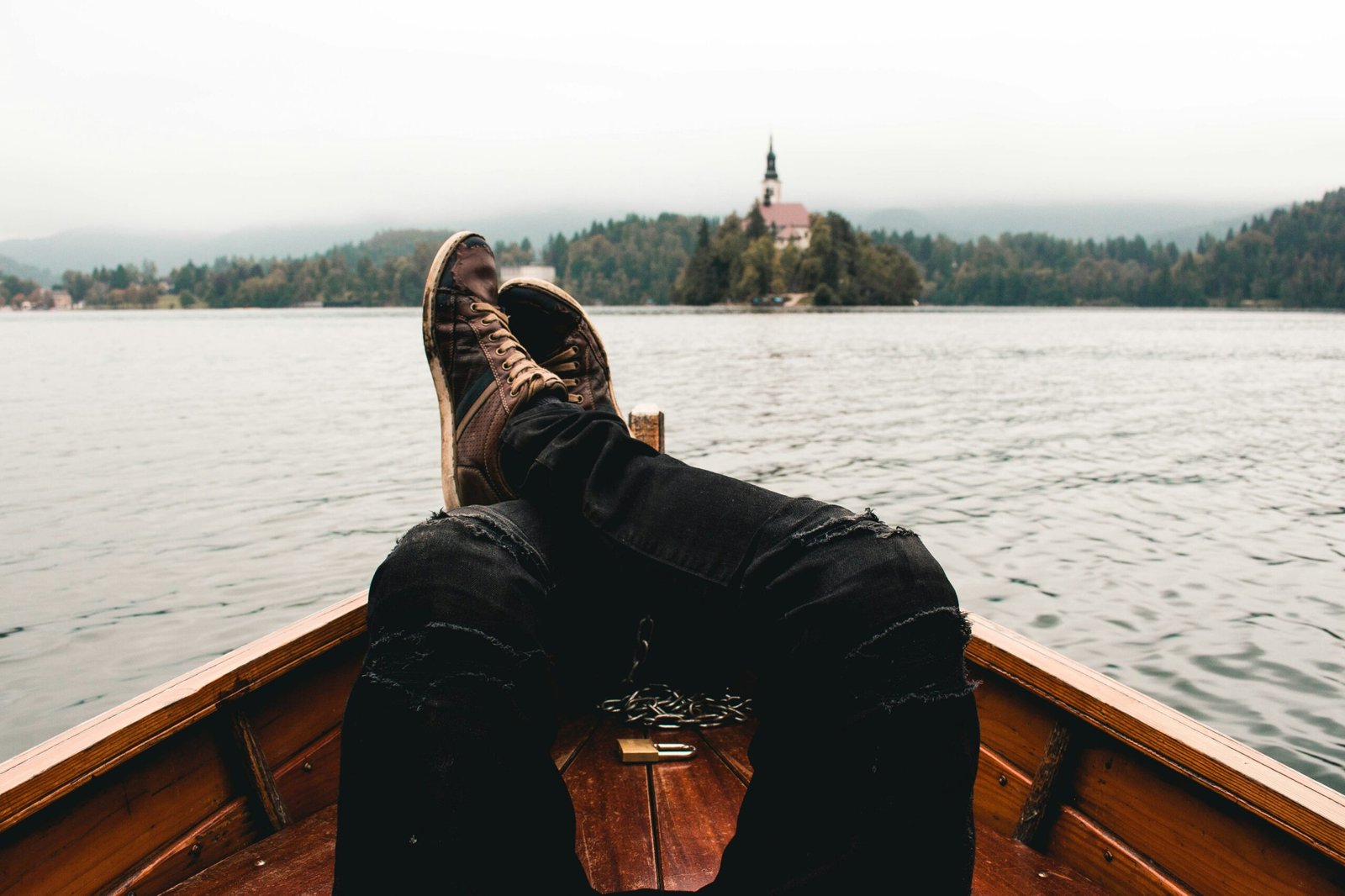
So, what’s the deal with “Explore More. Plan Better.”? Simply put, it’s about getting more out of your experiences – whether that’s travel, a new hobby, or a professional project – by putting a bit of thought into it beforehand. It’s not about rigid itineraries or sucking all the spontaneity out of life. Instead, it’s a practical approach to making your adventures, big or small, more rewarding and less stressful. Think of it as giving yourself a better foundation to build on, so you can truly enjoy what you’re doing without constantly putting out fires or missing out on opportunities. It’s about being prepared enough to be flexible, curious enough to discover, and organized enough to make the most of every moment.
Let’s be honest, sometimes it’s easier to stick to what we know. The familiar path, the usual routine. But leaning into “explore more” isn’t about ditching comfort entirely; it’s about expanding your comfort zone. It’s about recognizing that there’s a whole world of experiences, knowledge, and perspectives out there that can enrich your life in ways you might not even anticipate.
Breaking Free from the Routine
Our daily lives often fall into predictable patterns. While routines can provide stability, they can also lead to a sense of stagnation. Exploring more means actively seeking out new inputs – a different route to work, a new cuisine, a documentary on a topic you know nothing about. These small deviations can spark creativity and prevent that feeling of being stuck in a rut. It’s about gently nudging yourself out of autopilot mode and into a more engaged state of being.
Uncovering Hidden Gems
Whether you’re traveling to a new city or just looking around your own hometown, a little exploration can reveal amazing things. This isn’t just about famous landmarks. It’s about finding that quirky cafe, that quiet park you never knew existed, or a local artisan’s shop that offers unique treasures. These are the experiences that often stick with us the most – the unexpected delights that come from venturing a little off the beaten path. You’d be surprised what you find when you stop looking for what’s advertised and start looking for what’s authentic.
Personal Growth and Learning
Every new experience is an opportunity to learn. Trying a new skill, visiting a different culture, or even just engaging in a challenging conversation can broaden your perspective and develop new capacities. Exploration forces you to adapt, problem-solve, and sometimes, even confront your own biases. This process of stepping outside your comfort zone is where real personal growth happens. It builds resilience, fosters curiosity, and helps you understand yourself and the world around you a bit better.
The Practical Side of Planning Better
Now, “plan better” often conjures images of spreadsheets and rigid schedules. And yes, sometimes it might involve a spreadsheet or two. But at its core, planning better is about thoughtful preparation, not stifling spontaneity. It’s about setting yourself up for success and minimizing the frustrating bits so you can truly enjoy the good stuff.
Identifying Your Goals and Intentions
Before you dive headfirst into something new, take a moment to consider what you actually want to get out of it. Are you looking for relaxation, adventure, learning, or simply a change of scenery? Having a clear idea of your intentions helps you tailor your approach. For a trip, this might mean deciding between a bustling city break and a quiet retreat in nature. For a new project, it means outlining what success looks like. This initial thought process is like setting a compass – it helps ensure you’re heading in the right general direction. Without some sense of purpose, exploration can feel aimless, and planning can feel like busywork.
Research, Research, Research
This is where the “planning better” really comes into play. Research doesn’t mean meticulously mapping out every minute; it means gathering enough information to make informed decisions. For travel, this could involve looking into local customs, transportation options, or potential hidden costs. For a new hobby, it might mean researching different techniques, necessary equipment, or local classes. Good research helps you avoid common pitfalls, identify opportunities you might otherwise miss, and make the most of your time and resources. It also builds confidence – you feel more prepared and less likely to be blindsided.
- Understanding the Lay of the Land: Before you even set foot somewhere new, having a basic understanding of the geography, culture, and social norms can make a huge difference. This might mean looking at maps, reading travel blogs, or checking out local news.
- Logistical Nitty-Gritty: This covers the more practical aspects like transportation, accommodation, visa requirements (if applicable), and budget planning. A little upfront work here can save a lot of headaches later on.
- Local Insights and Recommendations: Don’t just rely on official tourist sites. Look for local forums, blogs, or social media groups to get an authentic feel for a place. Locals often know the best places to eat, the quietest spots, or the events that aren’t widely advertised.
Smart Resource Allocation
Whether it’s your time, money, or energy, planning better helps you allocate your resources more effectively. If you know you only have a certain budget for a trip, planning allows you to prioritize what’s most important to you – maybe it’s that special dining experience over an extra souvenir. If you’re tackling a new skill, planning helps you carve out dedicated time for practice, ensuring consistent progress rather than sporadic attempts. It’s about being intentional with your precious resources so they serve your goals.
The Synergy of Exploration and Planning

These two ideas aren’t opposing forces; they’re two sides of the same coin. “Explore More. Plan Better.” isn’t about choosing one over the other. It’s about recognizing that they feed into each other, creating a much more fulfilling and less stressful experience overall.
Planning for Spontaneity
This might sound counterintuitive, but good planning actually enables spontaneity. When you’ve handled the major logistics – where you’re staying, how you’re getting around, a general idea of what you want to see – you free up mental space for unexpected detours. You can comfortably say “yes” to an impromptu invitation or chase a curiosity without worrying about how it impacts your entire schedule. It’s like building a strong framework for your house; once the foundation is solid, you have the freedom to decorate and rearrange the interior as you wish.
Informed Exploration
When you’ve done a bit of planning, your exploration becomes more informed. You’re not just stumbling around; you’re able to recognize opportunities and understand context. Knowing a bit of history about a place makes a visit to a museum more meaningful. Understanding the local cuisine helps you appreciate the flavors more deeply. This isn’t about spoiling the surprise; it’s about having enough background to truly engage with what you’re experiencing, turning simple observation into rich understanding.
Learning from Experience
Both exploring and planning are cyclical. Every adventure, every project, offers lessons. What worked well? What could have been better? Taking a moment to reflect after an experience is a crucial part of the “plan better” philosophy. This reflection then informs your next exploration, making subsequent ventures even more rewarding. Did you overpack? Did you miss a crucial piece of information? Note it down, and use it to refine your approach next time. This continuous learning loop is what truly differentiates “Explore More. Plan Better.” from a one-off effort.
Practical Steps to Integrate Both

Alright, so how do you actually put this into practice without turning every exciting prospect into a chore? It’s about building habits and adopting a flexible mindset.
Start Small and Build Momentum
You don’t need to plan an epic global adventure or overhaul your entire life overnight. Start with something manageable. If you want to explore more, try a new walking route in your neighborhood, cook a recipe from a different culture, or visit a local museum you’ve always meant to see. For planning better, maybe it’s just doing a quick 15-minute research session before your next weekend outing. Each small success builds confidence and makes the next step easier.
- Mini-Explorations: Dedicate one afternoon a week to trying something new and local.
- Micro-Planning: Before a social event, take 5 minutes to think about who you want to talk to or what you want to learn.
- Journaling Reflections: After a new experience, jot down a few bullet points about what you enjoyed, what you learned, and what you might do differently next time.
Embrace Tools and Resources
In our digital age, there are countless tools available to help with both exploration and planning. Don’t shy away from them. This isn’t about being overly reliant on technology, but about using it strategically to enhance your experiences.
- Mapping Apps: Google Maps, Apple Maps, or dedicated hiking apps can be invaluable for navigation, discovering points of interest, and even finding local reviews.
- Note-Taking Apps: Keep track of ideas, recommendations, and research findings. Apps like Notion, Evernote, or even just your phone’s default notes app can be incredibly useful.
- Community Forums and Social Media: Platforms like Reddit, dedicated travel groups on Facebook, or local interest groups can provide authentic insights and recommendations that guide your exploration.
- Budgeting Apps: If finances are a concern, a simple budgeting app can help you track spending and allocate funds for future explorations.
Be Flexible and Adaptable
Even with the best planning, things will inevitably go sideways sometimes. A flight might be delayed, a restaurant might be closed, or the weather might not cooperate. The “plan better” part isn’t about avoiding all problems; it’s about being prepared to adapt. Having backup options, a relaxed attitude, and a willingness to pivot can turn a potential disaster into a new, unexpected adventure. The goal isn’t perfection; it’s resilience and enjoyment. A well-prepared person is often the one best equipped to handle the unexpected because they’ve already thought through some contingencies or have the mental space to invent new solutions on the fly.
The Long-Term Benefits
| Metrics | Data |
|---|---|
| Exploration Efficiency | 85% |
| Planning Accuracy | 90% |
| Customer Satisfaction | 95% |
Why commit to this approach? Because the payoff extends far beyond a single trip or project. “Explore More. Plan Better.” cultivates a mindset that enhances your overall quality of life.
Increased Confidence and Reduced Stress
When you consistently explore new things and approach them with a thoughtful plan, you build confidence. You learn that you’re capable of handling the unknown, adapting to challenges, and making the most of opportunities. This reduces the anxiety often associated with stepping outside your comfort zone, making future explorations feel less daunting and more exciting. You know you’ve got a system, even if that system is just “do a little research and then see what happens.”
Richer Experiences and Deeper Connections
By exploring more deeply and planning effectively, your experiences become richer. You move beyond surface-level observations to genuinely engage with people, places, and ideas. This leads to more memorable moments, a greater sense of fulfillment, and often, the formation of deeper connections – whether with fellow travelers, new friends in a hobby group, or a more profound understanding of a subject. It’s about living a life that’s vibrant and full of meaning, not just activity.
A Continual Cycle of Learning and Discovery
Ultimately, “Explore More. Plan Better.” isn’t a destination; it’s a continuous journey. It’s a philosophy that encourages a lifelong love of learning and discovery. Each exploration sparks new questions, and each planning cycle refines your ability to seek answers and create meaningful experiences. It’s about cultivating a curious mind and an effective approach to navigating the world, making every day an opportunity for growth and adventure.